Stand in the hair care aisle for five minutes and you’ll notice how much has changed. A decade ago, the bottles promised shine, volume, and salon results, and nobody read the ingredients list. Now the labels lead with what’s not inside: no sulfates, no parabens, no silicones, no synthetic fragrance. Words like “plant-based,” “botanical,” and “clean” have moved from niche health stores to the shelves of every major retailer.
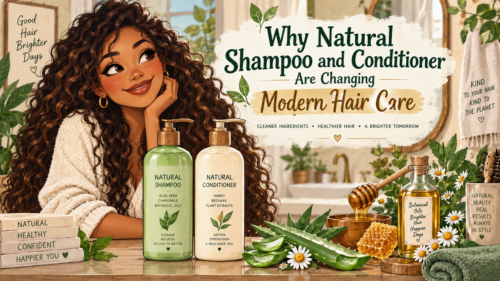
This isn’t just clever marketing. It reflects a real shift in how people think about what they put on their bodies, and hair care has become one of the most visible places that shift is playing out. Here’s why natural shampoo and conditioner are reshaping the routine most of us do without thinking, and what it means for your own hair.
A Market That’s Growing Fast
The numbers tell the story. According to Grand View Research, the global natural hair care products market was valued at $10.17 billion in 2024 and is projected to reach $16.99 billion by 2030, growing at 9.4% a year.
That kind of growth doesn’t happen because of a trend on social media. It happens because people try natural products, see a difference, and don’t go back. Growing awareness of the effects of synthetic chemicals in conventional formulas is cited as the primary driver, and once consumers start reading labels, they tend to keep reading them.
What “Natural” Actually Means for Hair Care
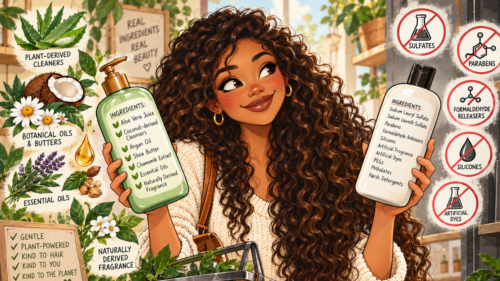
The term isn’t tightly regulated, so it pays to know what to look for. In practice, natural shampoos and conditioners typically:
- Use gentle, plant-derived cleansers instead of harsh sulfates like SLS
- Rely on botanical oils and butters for conditioning rather than silicones
- Skip parabens and formaldehyde-releasing preservatives in favor of gentler alternatives
- Use essential oils or naturally derived fragrance instead of synthetic perfume
- Avoid artificial dyes
The best brands are transparent about their full ingredient list and explain why each component is there. If a label is vague, that’s a signal to look elsewhere.
Why Sulfates and Silicones Fell Out of Favor
Sulfates are powerful detergents that create the rich lather many of us grew up associating with “clean” hair. The trouble is that they strip natural oils along with dirt, which can leave the scalp dry and irritated and hair frizzy or brittle, especially for people with curly, color-treated, or sensitive hair.
Silicones, meanwhile, coat the hair to make it feel smooth instantly. Over time, that coating builds up, weighing hair down and blocking moisture from getting in. The result is hair that feels soft on day one and dull by week three.
Natural formulas take a slower, gentler approach. Hair may take a week or two to adjust as it rebalances, but the long-term result is often healthier hair and a calmer scalp.
The Scalp Is Finally Getting Attention
One of the biggest changes in modern hair care is the recognition that healthy hair starts with a healthy scalp. Conventional products were designed for the hair shaft; natural products tend to focus on the skin it grows from.
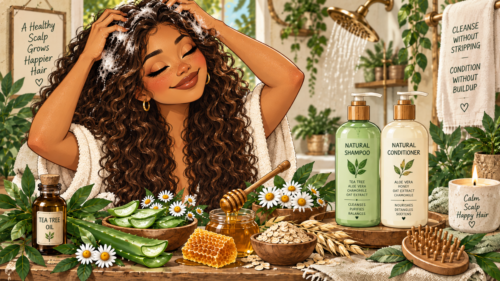
Ingredients like tea tree oil, aloe, honey, chamomile, and oat extracts soothe irritation and support the scalp’s natural balance. Beeswax and honey, in particular, have made a comeback for their humectant and protective properties. Brands that build their formulas around these ingredients are meeting a demand that mainstream products largely ignored. If you’re exploring natural shampoo and conditioner options, look for products that name their botanicals plainly and explain what each does.
This is where a brand like Beessential stands out: its hair care line is built on bee-derived and plant ingredients, with formulas designed to cleanse without stripping and condition without buildup. When the ingredients are simple enough to understand, it’s easier to trust what’s happening on your scalp.
Better for Sensitive Skin and Families
Parents often discover natural hair care through their kids. Children’s scalps are delicate, and many families switch after noticing rashes, dryness, or irritation from conventional products. The same gentler formulas that suit children tend to work well for adults with eczema, psoriasis, allergies, or simply sensitive skin.
A few advantages families notice:
- Fewer flare-ups and less itching
- Milder scents that don’t overwhelm
- One product line that works for everyone in the house
- Peace of mind about what’s going down the drain and onto skin
Sustainability Is Part of the Appeal
Natural hair care brands tend to think beyond the bottle. Biodegradable formulas, recyclable or refillable packaging, cruelty-free testing, and responsibly sourced ingredients are common features. For consumers who care about environmental impact, choosing a natural shampoo is a small daily decision that aligns with bigger values.
Making the Switch Without Frustration
If you’re moving from conventional to natural products, a few tips smooth the transition:
- Give it two to four weeks. Your scalp needs time to rebalance oil production.
- Use a clarifying wash first to remove silicone buildup so natural products can work.
- Adjust your expectations about lather. Less foam doesn’t mean less clean.
- Use less product. Concentrated natural formulas often go further than you expect.
- Pay attention to your hair type. Fine hair may prefer lighter conditioners; curly hair often loves richer ones.
Most people find that once their hair adjusts, it needs washing less often and looks healthier between washes.
Conclusion
Natural shampoo and conditioner are changing modern hair care by shifting the focus from quick cosmetic results to long-term scalp and hair health. Gentler cleansers, botanical conditioning, transparent ingredient lists, and sustainable practices have moved from the fringe to the mainstream because they work, and because people are paying closer attention to what they use every day.
Whether you’re dealing with a sensitive scalp, caring for a family, or simply want hair that feels good without the buildup, making the switch is one of the easiest upgrades you can make to your routine. Give your hair a few weeks to adjust, and you may wonder why you didn’t do it sooner.
Leave a Reply