There’s a particular kind of dread that comes with realizing your air conditioning might be failing, especially in the middle of a brutally hot stretch of weather. For homeowners in Mesa, where summer temperatures can make a malfunctioning AC feel like an emergency rather than a minor inconvenience, catching the warning signs early can mean the difference between a straightforward repair and a full system replacement. Understanding what to actually watch for can help you address problems before they become genuinely serious, and before you’re left scrambling on the hottest day of the year.
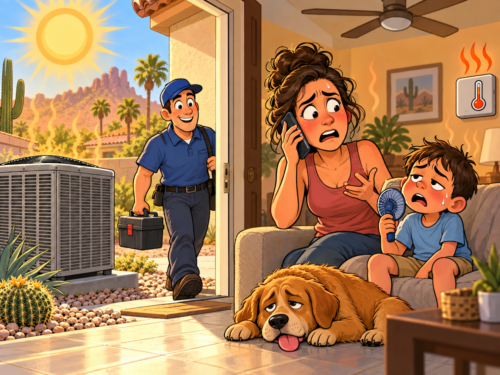
Why Catching Problems Early Matters So Much
Air conditioning systems rarely fail without warning. Most breakdowns are preceded by a period of declining performance, unusual noises, or other subtle signs that something isn’t working the way it should. The problem is that these early signs are easy to dismiss, especially when the system is still technically cooling the home, just less effectively than before. By the time a system fails completely, the underlying issue has often had time to worsen, sometimes turning what could have been a simple, affordable repair into a significantly more expensive one. This pattern is especially costly in desert climates, where a failing system has to work harder against extreme heat, accelerating wear on already-struggling components.
Common Signs Your AC May Need Repair
A handful of symptoms tend to show up consistently when an AC system is struggling:
- Weak or inconsistent airflow coming from the vents throughout the home
- Warm air blowing from vents that should be producing cool air
- Unusual noises like grinding, squealing, or banging coming from the unit
- A noticeable increase in energy bills without a corresponding change in usage
- Frequent cycling on and off, rather than running through complete, steady cooling cycles
- Excess humidity indoors, even when the system is actively running
None of these signs alone guarantees a major problem, but taken together, or even individually if persistent, they’re strong enough indicators that a professional inspection is worth scheduling. Waiting until multiple symptoms appear simultaneously often means the underlying issue has already progressed considerably.
What a Professional Inspection Typically Reveals
When these symptoms persist, having the system assessed by a qualified HVAC professional can help identify the cause before deciding on the appropriate repair. Working with an experienced provider like Frozen Cactus Air in Mesa, AZ means having a trained technician assess not just the obvious symptom you noticed, but the underlying system components that might be contributing to it. A thorough inspection typically checks refrigerant levels, electrical connections, the condition of the compressor, and airflow throughout the ductwork, since a symptom like weak airflow could stem from several entirely different underlying causes depending on the specific system and its age.
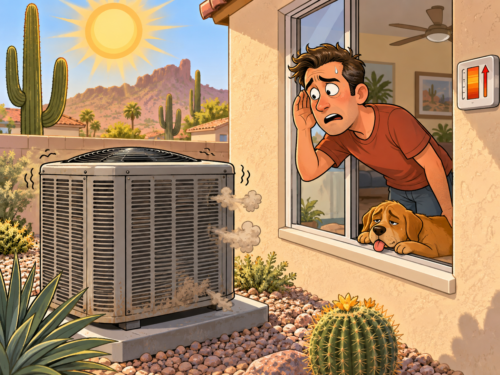
Repair Versus Replacement: How the Decision Gets Made
Not every AC problem requires a full system replacement, but certain factors tend to tip the decision in that direction. The age of the system relative to its expected lifespan, the frequency of previous repairs, and the cost of the current repair relative to the value of the unit all factor into this decision. A good technician should walk you through this reasoning clearly, rather than simply recommending the most expensive option without context. Getting a second opinion is also reasonable for larger, more expensive decisions, particularly when a full replacement is being recommended for a relatively young system.
Common Questions Homeowners Ask About AC Repair
A handful of questions come up consistently when homeowners notice signs of trouble:
- How urgent is it if my AC is still cooling, just less effectively? It’s worth having it checked relatively soon, since declining performance often signals a developing issue rather than normal wear
- Will regular maintenance prevent most repair needs? Routine maintenance significantly reduces the likelihood of major breakdowns, though it can’t eliminate the possibility entirely
- How much does a typical AC repair cost? This varies enormously depending on the specific issue, which is exactly why an accurate diagnosis matters before assuming the worst
- Should I try to diagnose the problem myself first? Basic checks like the thermostat setting and air filter are reasonable to check yourself, but anything beyond that is best left to a professional
Getting clear answers to these questions tends to make the decision to schedule a repair feel far less overwhelming and far more manageable.
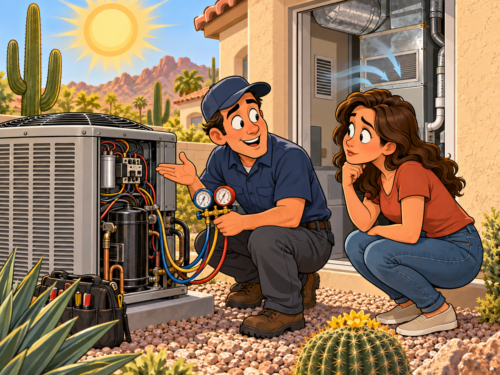
Why Seasonal Timing Affects Repair Urgency
In climates with intense summer heat, the stakes around AC repair timing are genuinely higher than in more temperate regions. A malfunction that might be a manageable inconvenience during milder weather can quickly become a health and safety concern once outdoor temperatures climb into the triple digits. This is exactly why scheduling an inspection at the first sign of trouble, rather than waiting to see if the problem resolves on its own, tends to matter more in hot climates than it might elsewhere, particularly for households with young children, elderly residents, or pets who are especially vulnerable to extreme indoor heat.
Conclusion
Catching AC problems early, rather than waiting until the system fails completely, tends to save homeowners significant time, money, and discomfort during the hottest parts of the year. If you’ve noticed weak airflow, unusual noises, or any of the other warning signs, it’s worth scheduling a professional inspection sooner rather than later. Addressing these issues while they’re still manageable is almost always easier and less costly than waiting for a complete breakdown in the middle of the summer.
Leave a Reply