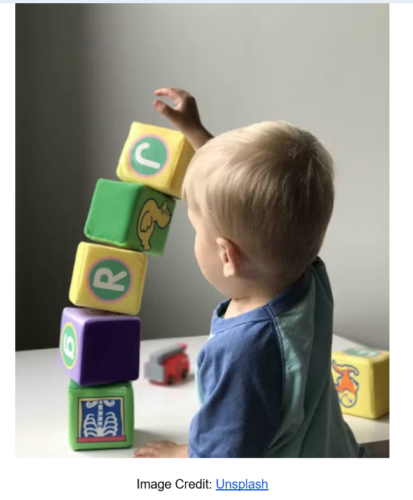
When you watch a young child stack blocks, dress up in a silly costume, or mix dirt and water into a “potion,” it’s easy to see it as just fun and games. But what if that play is actually the most important work they do? This idea is at the heart of play-based learning, an educational approach that uses a child’s natural curiosity and love for play to help them develop deeply and meaningfully. It means recognizing that when children play, they aren’t just passing the time; they’re building the very foundation for future learning and life skills. This understanding underscores the critical need for educators and parents to embrace and prioritize play-based learning as a cornerstone of early childhood development.
Defining Play-Based Education
Play-based education is a way of thinking that lets children learn about the world by exploring, discovering, and solving problems in a playful setting. It’s not about letting kids run wild without any guidance. Instead, it includes activities that children start themselves and those that teachers support. For example, a teacher might set up a pretend grocery store to introduce ideas about money, counting, and social interaction, but the children get to decide what to “buy” and how to play their roles.
This approach understands that children are active learners who figure out their surroundings by interacting with them. The U.S. Department of Education says prioritizing play in early education is vital for creating well-rounded students. The focus moves from just memorizing things to hands-on experiences, which helps concepts stick in a child’s mind much more effectively. Many modern educational models, from activities at home to formal preschool programs, are built on this powerful idea.
Key Developmental Advantages
Learning through play offers huge benefits that touch every part of a child’s growth. When children play, they develop important skills without even realizing it. Stacking a tower of blocks isn’t just fun; it’s an early lesson in physics, balance, and cause and effect. Figuring out how to fit puzzle pieces together strengthens spatial awareness and problem-solving abilities.
Physically, play helps develop both fine and gross motor skills. Grasping a crayon, threading beads, or manipulating small toys sharpens the fine motor control needed for writing later on. Running, jumping, and climbing during outdoor play build gross motor skills, coordination, and overall physical health. At the same time, children expand their vocabulary and communication skills as they talk about their play, negotiate with friends, and ask questions.
How Play Builds Essential Skills
Beyond school subjects and physical milestones, play is the main way children build essential social and emotional skills. When they play imaginatively with others, they learn to share, take turns, and see things from another person’s point of view. These interactions are like mini-lessons in empathy, cooperation, and how to resolve disagreements.
Play is also a safe place for children to experiment with emotions and build resilience. When a carefully constructed Lego creation comes crashing down, a child feels disappointment. Learning to handle that feeling and start over builds persistence and a healthy way to respond to failure. This kind of social-emotional development through play is fundamental for navigating social situations throughout life. It also encourages creativity and imagination, empowering children to think outside the box and invent their own stories and solutions, skills that are invaluable in an ever-changing world.
Bringing Play Into Your Home
You don’t need a classroom or expensive toys to encourage play-based learning. Your home is full of things to explore. One of the best things you can do is create a “yes space,” an area where your child can explore safely without constantly hearing “no.” This helps them become more independent and curious.
Focus on providing open-ended materials instead of toys that only do one thing. These are items that can be used in many different ways to inspire screen-free activities for kids, like building blocks, art supplies (paper, crayons, paint), playdough or clay, cardboard boxes, and dress-up clothes and props.
When you play with your child, try to follow their lead instead of telling them what to do. Ask open-ended questions like, “What are you building?” or “What happens next?” This shows them that their ideas are valued and encourages them to think more deeply about what they’re doing.
Beyond the Classroom
Learning through play goes far beyond the walls of a home or school. The world is a giant playground filled with chances for discovery. Spending time in nature is one of the most powerful forms of play-based learning. Feeling different textures like bark and leaves, watching insects, or splashing in puddles provides a rich sensory experience that can’t be replicated indoors.
Community resources also offer fantastic play opportunities. Local libraries often have children’s areas designed for interactive play, and many museums now feature hands-on exhibits for kids. Even a simple trip to the park allows children to practice social skills, test their physical limits, and use their imagination. Don’t be afraid of unstructured downtime, either. Moments of boredom are often what sparks a child’s most creative and inventive play.
The next time you see your child completely absorbed in a world of their own making, take a moment to appreciate the incredible learning that is happening. By giving them the time, space, and encouragement to play, you are providing them with the best possible start for a lifetime of learning.
Leave a Reply