In a world full of tablets, smartphones, and endless streaming, it often feels like a constant battle to pull kids away from their screens. While technology certainly has its place, helping children discover hands-on hobbies is crucial for their development. Encouraging activities that get their minds and hands working can spark imagination, build important life skills, and create lasting memories. If you’re looking for new ideas to inspire your little ones beyond the digital glow, here are some creative hobbies that bring joy and foster innovation.
Sparking Imagination with Hands-On Play
The simplest activities often have the biggest impact on a child’s imagination. When kids play hands-on and without strict rules, they get to make up their own games, solve their own problems, and explore worlds they create themselves. Think back to the magic of building a blanket fort in the living room. It wasn’t just a pile of sheets and pillows; it was a castle, a spaceship, or a secret clubhouse. This kind of play is fundamental for how kids learn and grow.
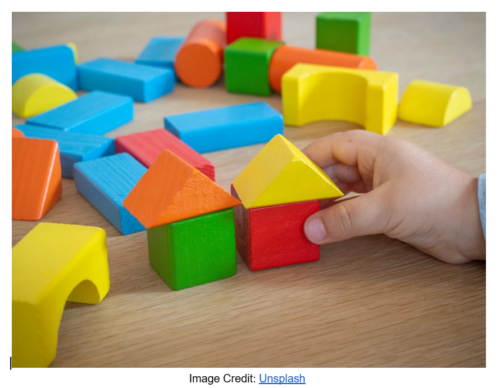
You can encourage this imaginative freedom with open-ended materials. A bin of assorted building blocks, a collection of animal figurines, or a dress-up box full of old clothes and hats can provide hours of entertainment. Playdough and modeling clay are fantastic for tactile exploration, letting kids squish, roll, and sculpt whatever they dream up. These independent activities for children don’t need complex instructions or constant adult supervision, which empowers children to take the lead. The goal is to give them the tools, then step back and let their creativity guide them.
Crafting Adventures at Home
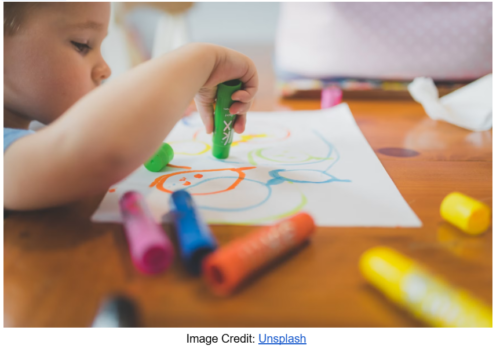
The kitchen table can easily become a busy art studio with just a few basic supplies. Crafting is a wonderful way for kids to express themselves and see a project through from start to finish. You don’t need to buy a lot from the craft store; some of the best adventures start with things you already have. Empty cardboard boxes can turn into robot costumes or dollhouses. Paper towel rolls can become binoculars for an indoor safari.
Creating a homemade storybook is a great project. Your child can tell you the story while you write it down, and then they can draw the pictures. Or, for something more theatrical, make simple sock puppets and put on a show. These fun non-screen activities not only get creative ideas flowing but also build fine motor skills, patience, and storytelling abilities. The pride a child feels when they show off something they made themselves is a powerful confidence booster.
Building Skills with Educational Toys
While free-form play is essential, structured educational toys also help kids develop specific skills. Classic building sets like LEGOs or magnetic tiles teach spatial reasoning, engineering principles, and the importance of a solid foundation. Science kits, whether they involve growing crystals, building a simple circuit, or erupting a volcano, make learning about the world a thrilling, hands-on experience.
These toys are designed to be both fun and challenging, encouraging kids to think critically and follow multi-step directions. As children complete projects and solve problems independently, they build confidence in their abilities while strengthening patience and perseverance. Structured activities also encourage focus, creativity, and logical thinking, helping prepare children for future academic success.
As technology advances, so do the tools available for creative learning. For kids interested in design and technology, a kid-friendly children’s 3D printer can be an incredible tool. It connects digital design with a physical object, letting them dream up a character, a piece of jewelry, or a custom toy and actually hold it. This process teaches them about design thinking, problem-solving, and the basics of manufacturing in a safe and engaging way. It’s a perfect example of how technology can be an active tool for creation, not just passive entertainment.
The Rise of Creative Technology
It’s a common misunderstanding that all screen time is the same. The key is to shift from passive consumption, like watching videos, to active creation. Many modern technologies are powerful creative tools for kids. For example, stop-motion animation apps on a tablet can help your child become a mini movie director, bringing their favorite toys to life one frame at a time. This hobby teaches patience, planning, and storytelling in a unique visual medium.
Digital drawing tablets offer an endless canvas for young artists without the mess of paints and markers. They can experiment with different brushes, colors, and layers, learning sophisticated art techniques in an intuitive format. For kids curious about how things work, there are many platforms and games that teach the basics of coding in a fun, accessible way. They can learn to build their own simple games or program a robot to follow commands. These activities, much like DIY kids games and activities, empower children to become creators, not just consumers, of technology.
Encouraging Future Innovators
Every time a child builds a wobbly tower that falls, they learn about gravity and structural integrity. Every time a craft project doesn’t turn out as planned, they learn resilience and how to adapt. These creative hobbies are more than just ways to pass the time; they are training grounds for tomorrow’s innovators. They teach the invaluable lesson that it’s okay to fail and try again. This process of trial and error is at the heart of all invention and discovery.
By encouraging a variety of creative pursuits, you help your child develop a flexible, curious mindset. They learn to approach problems from different angles, think outside the box, and trust their own ideas. These are skills that will serve them well in school, their future careers, and throughout their lives. Exploring different hobbies for kids to cut down on screen use introduces them to new passions they might not have discovered otherwise. Whether they are painting a picture, coding a game, or building a robot, they are learning to bring their unique vision into the world.
Fostering creativity doesn’t require a huge budget or a rigid schedule. It’s about providing opportunities, celebrating the process over the final product, and giving your child the freedom to explore, invent, and make their own kind of magic.
Leave a Reply