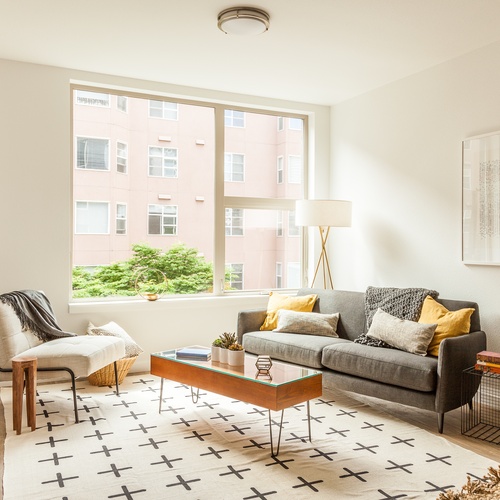
A living room carries a lot of responsibility. It’s where you unwind after a long day, welcome friends, watch movies, read, play games, and sometimes fold laundry while pretending you’re relaxing. Because the room handles so many moods, one overhead light usually can’t do the job well.
Layered lighting gives your living room more comfort, warmth, and flexibility. Instead of relying on one bright fixture, you combine different light sources so the room feels balanced from morning to night. A thoughtful layered lighting plan can make your space feel softer, more useful, and more personal.
Start With Ambient Lighting
Ambient lighting sets the foundation for the whole room. It gives you general light so you can move around comfortably, see the furniture, and create a welcoming glow. Ceiling fixtures, recessed lights, chandeliers, and flush mounts all work well for this layer.
Choose a fixture that matches the size and style of your living room. A small room may need a simple ceiling light, while a larger space may need several recessed lights or a larger statement fixture. Dimmer switches make ambient lighting more flexible, allowing you to brighten the room for cleaning or soften the glow during movie night.
Warm bulbs usually work best in living rooms. They help the room feel cozy instead of harsh. Look for a soft white tone that flatters your wall colors, furniture, and decor.
Add Task Lighting
Task lighting helps you do specific activities without straining your eyes. If you love reading on the sofa, place a floor lamp beside your favorite seat. If your living room has a game table, desk, or craft corner, add a lamp that directs light exactly where you need it.
Task lighting also helps you create a relaxing living room because it lets you turn off brighter overhead fixtures and use smaller pools of light. A table lamp near a chair can make the whole room feel calmer, especially in the evening.
Think about how your household uses the space before you choose lamps. A swing-arm lamp works well near a reading chair. A shaded table lamp adds a softer feel beside a sofa. A slim floor lamp can brighten a dark corner without taking up much room.
Bring In Accent Lighting
Accent lighting adds personality. It draws attention to the parts of the room you love, such as artwork, built-in shelves, plants, textured walls, and architectural details. Picture lights, sconces, LED strips, and small uplights can add depth.
This layer helps your living room feel complete. Without accent lighting, even a beautiful room can look flat at night. With it, your favorite details stand out, and the space gains warmth.
Try lighting one or two focal points instead of every object in the room. Too many accent lights can compete with each other. A soft glow behind shelving or a focused light above art can do more than a room full of bright fixtures.
Mix Heights and Locations
Layered lighting is a lighting option that works best when light comes from different heights. Ceiling lights shine from above, floor lamps add height near seating, and table lamps bring light closer to eye level. When you mix these sources, the room feels more natural and comfortable.
Place lights around the room rather than grouping every lamp on one side. A balanced layout keeps shadows from taking over and helps every seat feel inviting. Corners often need extra attention, especially in rooms with dark paint, heavy curtains, or deep furniture colors.
You don’t need matching lamps in every spot. Choose pieces that share a similar finish, shape, or mood so the room feels connected without looking too perfect.
Choose Dimmers and Smart Controls
Dimmers give you control over the mood. Bright light helps during busy mornings, while lower light feels better during quiet evenings. Smart bulbs or plugs can also help you adjust lamps without walking around the room.
Use different settings for different moments. You might create a brighter setting for hosting, a soft setting for reading, and a low setting for watching TV. These small choices make the room easier to enjoy.
Let Your Room Feel Like You
Lighting should support the way you live, not just the way the room looks in photos. When layering lighting in the living room, pay attention to the places where you naturally sit, read, talk, and rest. Add light where life happens.
When you layer ambient, task, and accent lighting, your living room becomes more adaptable and inviting. With the right mix, the space can feel bright and lively during the day and calm and cozy at night. That kind of comfort makes the room feel like home.
Leave a Reply