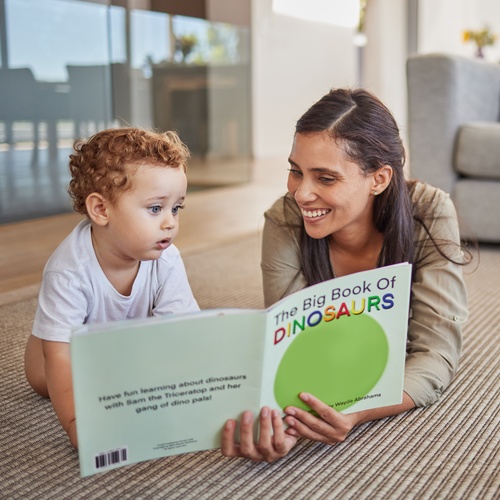
Learning does not have to feel like a formal lesson at the kitchen table. For young children, some of the most meaningful growth happens in the little moments that already fill family life. When parents approach these moments with curiosity and encouragement, everyday routines can become gentle opportunities for discovery. Here’s how you can make learning fun for young children.
Start With What Already Excites Them
One of the easiest ways to keep a young child engaged is to start with what they already care about. When a child is fascinated by a certain subject, they naturally want to ask questions, repeat new words, compare ideas, and tell you what they know. That excitement gives parents a simple opening to introduce new concepts without making the moment feel like a lesson.
Try encouraging your children to learn through play by incorporating their favorite topics into everyday activities. A child who loves animals can sort toy creatures by size, habitat, or color. Likewise, a child who loves cars can count wheels, compare speeds, or build a pretend road system with blocks.
Use Stories To Build Curiosity
Stories give children a gentle way to think more deeply by connecting new ideas to characters they care about. After reading together, ask your child why something happened or how the story made them feel. This keeps the conversation focused on understanding, not memorizing. It also helps your child see books as something they can respond to, rather than something they simply sit through.
Make-believe play can build on that same curiosity. When a child changes the ending of a story or gives a character a new problem to solve, they are practicing organizing their thoughts in their own way. That kind of play helps children feel more confident sharing ideas because it gives them room to imagine. Over time, stories can make reading feel less like a task and more like a conversation they get to enjoy.
Mix Facts With Imagination
Children often get most excited about subjects that feel larger than life, so it makes sense when real facts and imagination start to overlap. Instead of correcting every playful detail, parents can use that curiosity as a gentle opening to explain what is known, what is pretend, and why the difference can make the topic even more interesting.
For instance, if your child loves prehistoric animals, you could separate the facts from fiction on the Smilodon by comparing what scientists know with how the animal appears in cartoons, toys, or movies. This keeps the subject engaging while helping your child develop early critical-thinking skills.
Keep It Simple and Joyful
Try encouraging your children to learn through play in ways that feel natural, loving, and easy to fit into the rhythm of home. Young children do not need a perfect lesson plan to stay curious. They often learn best when adults slow down, notice what catches their attention, and give them room to explore without pressure. Even a simple moment at home can become meaningful when a parent turns it into a chance to wonder together.
The more children associate learning with connection and fun, the more confident they become. When learning feels like part of everyday family life, children begin to see curiosity as joyful rather than forced. Those small, playful moments can build a love of learning that lasts long after the activity is over.
Leave a Reply