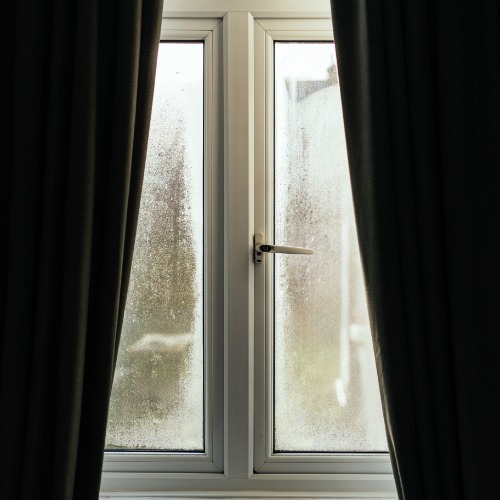
Some homes never seem to settle down. A neighbor’s porch lines up with your kitchen window. Kids play outside while every conversation carries straight across the property line. Even a beautiful space starts feeling tiring when you never quite get a break from everything around you.
But you do not need to turn your house into a fortress. You just want enough separation to relax, while still enjoying the outdoor connection that made you love your home. Check out these privacy fixes for homes that never feel quiet.
Start With the Spot That Bothers You Most
When it feels like you have no privacy anywhere, it is tempting to try to fix the whole property at once. But that can get expensive fast, and you might end up spending money on areas that never really bothered you. Instead, focus on the spot where you feel most exposed. Maybe your patio faces a neighbor’s deck, or headlights shine into your living room every night.
Start there.
Once you fix the spot that bothers you most, the rest of your home often feels more comfortable too.
Use Plants Where You Want Softer Separation
If you like having nature nearby, plants are a great way to add some privacy. They soften the view without making your yard feel closed off.
Choose plants based on what you need. A dense evergreen near a patio gives you more year-round coverage than a flowering shrub that loses its leaves each fall. Around windows, smaller plants might provide enough screening without blocking your favorite view.
Make sure to give plants enough space to grow. Planting young shrubs too close together might look good at first, but after a few years, you could end up with a tangled mess.
Let the View Stay Interesting
A thick wall of plants can work in some yards, but you do not have to hide everything. Leave gaps where there is something nice to look at, like a big tree or open sky. The goal is not to shut yourself in, but to feel sheltered enough that you stop worrying about who might be looking in.
Treat Windows Based on How You Use the Room
Indoor privacy gets tricky because heavy coverings sometimes solve one problem and create another. You block the neighbor’s view, then realize your sunny room now feels like evening at 2 p.m. Start by thinking about when you use each window.
A bathroom window needs more privacy than a kitchen window facing a quiet side yard. Frosted film works well here, if you want daylight without a clear view through the glass.
For rooms you use at night, keep in mind that turning on the lights makes it easier to see inside. Sheer curtains do not offer much privacy after dark. Using layered window coverings gives you more control without making the room feel closed off all the time.
Fix the Patio Before Hiding the Whole Yard
Your entire backyard does not need to feel private if the patio already gives you a comfortable place to relax. This is one of those small changes that can transform your home’s mood because you start protecting the space where you spend the most time. For example, a pergola with a side screen might block the view from a neighboring deck.
You can also move your seating to face the garden instead of the property line. This small change shifts your focus. A cozy corner often feels more peaceful than closing off the whole yard.
Think About Sound Separately From Sight
Visual privacy helps, but a house still feels busy when sound travels straight through the yard. Traffic creates a different problem than a neighbor’s window. You might not see every passing car, but you still hear them.
Try adding things that soften the environment. Thick plants can help block some noise and make the view feel more private. A small water feature can also give you something pleasant to listen to.
Inside, rugs and curtains can help quiet rooms that echo. In the noisiest spots, figure out where the sound comes in before making big changes.
Know When a Fence Makes Sense
Some privacy problems need a more permanent boundary. A fence works well when neighboring yards sit close together or when you need dependable separation around a space your family uses every day. Before you choose one, though, think about what you want it to accomplish.
You might care most about blocking a direct view. Another homeowner might need a safer yard for children. Your reason should shape the height and placement.
If you plan to hire someone, look into the questions to ask before hiring a fence company and signing a contract. You want clear answers about property lines and installation methods before anyone starts digging.
Useful questions include:
- Who checks the property line before installation?
- What happens if the yard slopes?
- How deep will the posts go?
- What maintenance will the material need?
- What does the warranty cover?
Give Yourself Privacy Without Losing Nature
For nature lovers, the hardest part of creating privacy is knowing when to stop. You might want more separation from the neighboring house without blocking birds or closing off the breeze. That balance takes a little planning and design.
Natural materials usually help. Wood screens, on the other hand, can feel warmer around gardens than large artificial panels. Climbing plants can also soften structures over time. Consider wildlife movement too. A yard does not need to become a sealed box! Small openings near planted areas still give smaller animals room to move through.
Privacy is more enjoyable when your space still feels lively and full of life.
Create Enough Quiet to Enjoy Your Home Again
You do not need tall walls around your whole home to feel private. Sometimes, you just need a few spots where you can relax and stop noticing what is happening next door. The best privacy fixes for homes that never feel quiet often start with one problem area. Fix that first, then see how the rest of your home feels.
Once you stop trying to hide the whole property, privacy gets easier. You are simply creating enough distance from the outside world to enjoy the home you already have.
Leave a Reply