Spending time outdoors with family doesn’t have to involve an elaborate plan. A walk through a nearby park, a weekend camping trip, or a day exploring a new hiking trail can be a welcome break from busy schedules. A little preparation can make these outings more comfortable, too. From keeping phones charged to finding your way along an unfamiliar route, the right gadgets can help with practical needs without adding unnecessary complications. Here are some useful options to consider before your next family adventure.
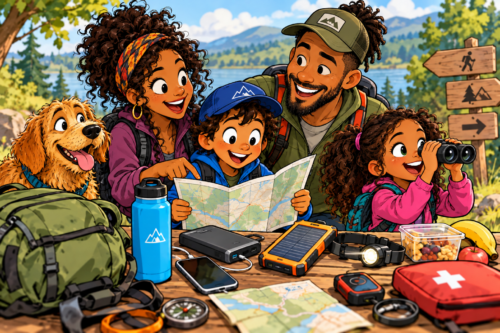
Gadgets That Make Family Trips Easier
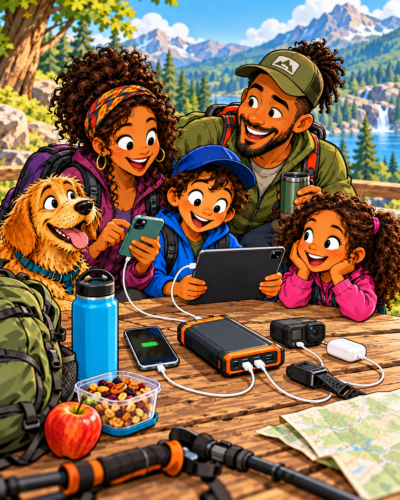
1. Portable Power Banks
A phone can be useful for navigation, checking the weather, taking photos, and contacting someone in an emergency. The trouble is that its battery can run down quickly during a long day outside.
A portable power bank gives you a way to recharge your devices when there’s no outlet nearby. It’s particularly handy on longer hikes, road trips, or visits to parks where you plan to spend most of the day. Choose a capacity that suits your family’s needs, and remember to charge it before leaving home.
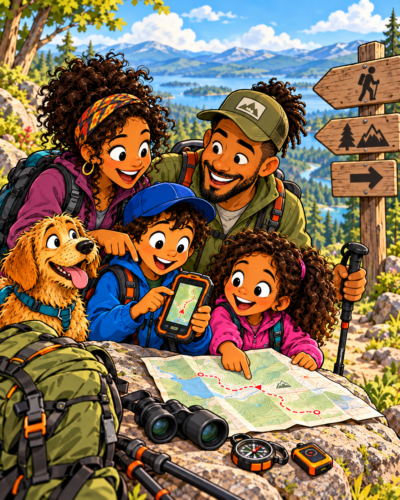
2. GPS Devices and Navigation Tools
Getting outdoors often means heading somewhere unfamiliar. Although many people rely on their phones for directions, mobile coverage isn’t available everywhere, and a weak signal can make navigation more difficult.
A handheld GPS device or an offline map can help you keep track of your route without depending entirely on mobile service. It’s also worth downloading maps before you leave and checking the route in advance. When hiking with children, having a clear idea of the distance, terrain, and return path can make the outing easier to manage.
3. Smartwatches for Outdoor Activities
A smartwatch can be useful on days when you’re walking, cycling, or exploring a large park. Depending on the model, it may track distance, monitor activity, display navigation information, or let you check notifications without taking your phone out of your bag.
For families who enjoy regular outdoor activities, these features can help keep track of a day’s progress. Still, not everyone needs a smartwatch for a family trip. If your main goal is to spend time together outdoors, a basic watch or a phone may be enough.

4. Compact Cameras and Camera Glasses
Photos and videos are an easy way to remember a family adventure, but taking them can sometimes interrupt the activity itself. A compact camera gives you another option if you want better control over your shots without carrying bulky equipment.
Camera glasses offer a different approach. For example, camera glasses for outdoor activities let wearers record video from their own point of view while walking a trail, observing wildlife, or cycling with the family. This can make it easier to capture moments while keeping your hands free. Before heading out, check the recording features and battery life to make sure they suit your plans.
It’s also important to be mindful of other people when recording, particularly in public spaces or around other families. And if you’re spending time in nature, try to keep the focus on the experience rather than filming every moment.

5. Portable Water Filters
When a family outing involves hiking or spending several hours away from facilities, access to drinking water needs a little planning. Carrying enough water is usually the simplest option, but a portable water filter may be useful on certain longer trips.
Filters vary in what they remove, so check the product specifications before relying on one. Not every filter makes every water source safe to drink, and some situations require additional treatment. For family trips, it’s best to plan your water supply ahead of time rather than assume you’ll be able to refill along the way.

6. Headlamps and Rechargeable Lanterns
It’s easy to underestimate how quickly daylight can fade, especially if a walk takes longer than expected. A headlamp lets you keep your hands free while navigating a trail or packing up at a campsite. A small lantern can also be useful for lighting a picnic area or tent.
For family outings, choose lights that are easy to operate and pack spare batteries or make sure rechargeable models are fully charged. Even if you don’t expect to be outside after dark, having a light available is a simple precaution.

A Few Things to Check Before You Leave
The most useful gear depends on where you’re going and how long you’ll be there. A short visit to a local park calls for different preparations than a full day of hiking or a weekend at a campsite.
Before leaving, check the weather forecast, review your route, and make sure everyone has suitable clothing and footwear. Bring enough food and water, and carry a basic first-aid kit. If you’re visiting a national park, look up local conditions and any restrictions that may affect your plans.
The National Park Service app, for example, provides information about parks in the United States and includes features that can help visitors plan their trips. Downloading relevant information in advance is a good idea if you expect to be somewhere with limited connectivity.
It’s also worth thinking about how much you really want to carry. Extra equipment can be helpful, but too many gadgets add weight and create more things to keep track of. Start with the essentials, then bring additional items based on the activity.
Making Outdoor Time a Family Habit
You don’t need expensive equipment to enjoy time outdoors. Sometimes, a comfortable pair of shoes, a packed lunch, and a plan for the day are all you need. Gadgets are most useful when they solve a real problem, whether that’s keeping your phone charged, helping you navigate, or making it easier to record a special moment.
Outdoor activities can also give children a chance to explore at their own pace. Let them help choose a walking route, look for interesting plants, or decide where to stop for a snack. These small parts of the outing can be just as memorable as reaching the destination.
The Outdoor Industry Association’s participation trends report offers further context on outdoor recreation and participation. For individual families, though, the best approach is often to find activities everyone enjoys and make them part of the routine.
Conclusion
Planning a family adventure is less about having the latest equipment and more about being ready for the day ahead. A power bank, a reliable navigation option, or a compact light can be useful in the right circumstances, but there’s no need to bring every gadget on every trip. Think about your destination, the weather, and what your family will actually use.
Most importantly, leave room for the parts you can’t plan: an unexpected wildlife sighting, a new favorite walking trail, or an unplanned stop that becomes the highlight of the day. With a little preparation and gear that suits your needs, it’s easier to spend less time worrying about logistics and more time enjoying the adventure together.
Leave a Reply