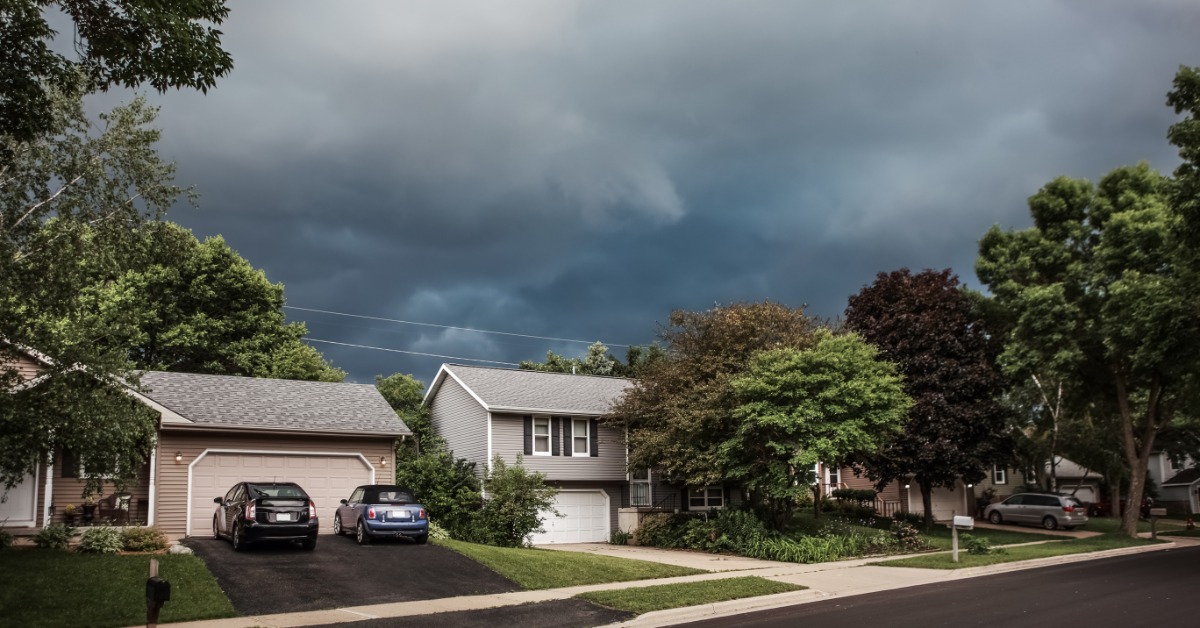
Severe weather puts a home under pressure with little notice. Strong winds, heavy rain, hail, snow, ice, and extreme temperatures can expose weak spots that barely attract attention on a calm day. Check our helpful guide below to learn how to prepare your home for severe weather.
Start With a Walk Around Your Property
A quick exterior inspection can reveal trouble before a storm puts the house to the test. Look for loose siding, damaged trim, cracked caulk, deteriorated seals, and other areas where water or wind could find a path inside. Pay close attention to places where different materials meet, such as around doors, windows, vents, and utility penetrations.
Take a look at fences, sheds, detached garages, and other structures, too. A loose fence panel or damaged shed door may become far worse after several hours of high wind. Small repairs completed ahead of time can save homeowners from a much larger cleanup later.
Clear Gutters and Check Drainage
Rain needs somewhere to go once it reaches the roof. Leaves, twigs, and other debris can clog gutters and force water over the edge, where it may collect close to the foundation. Clean gutters and downspouts give runoff a direct route away from the house.
Check the ground near the foundation after a normal rain as well. Areas with standing water deserve attention before a severe storm arrives. Downspout extensions can help direct runoff farther from the structure, and drainage problems may call for help from a qualified professional.
Give Your Roof a Closer Look
The roof serves as one of the home’s first lines of defense against rain, snow, hail, and wind. From the ground, look for missing or damaged shingles, loose flashing, sagged sections, or debris that doesn’t belong there. Binoculars can provide a closer view without the risks associated with climbing onto the roof.
Schedule professional service if anything looks suspicious or if the roof has already suffered storm damage. Minor roof defects can allow water into insulation, ceilings, walls, and attic spaces. Repairs before severe weather may help prevent that chain of problems.
Trim Trees and Remove Outdoor Hazards
Trimming trees is one of the simplest and most effective ways to prepare your home for severe weather. Tree branches look peaceful on an ordinary afternoon, but high winds can turn weak limbs into hazards. Dead, cracked, or low branches near the roof, windows, driveway, and utility lines deserve prompt attention. Large trees or branches near electrical lines should be left to qualified professionals.
Patio furniture, grills, planters, umbrellas, children’s toys, and yard decorations also need a secure place before a storm. Bring lighter items into a garage or shed whenever possible. Secure larger pieces according to manufacturer recommendations so they have less chance to shift or cause property damage.
Inspect Exterior Doors and Entry Points
Knowing how to choose exterior doors for harsh weather climates will help you fine-tune your home’s protection to local conditions. Exterior doors deal directly with wind, rain, cold, and heat, so their condition deserves a spot on the storm-prep list. Examine the frame, threshold, weatherstripping, hinges, and hardware for gaps or damage. A door that doesn’t close properly may let drafts or moisture enter the home. Homeowners who already plan to replace an old or damaged entry door can explore exterior door options suited to their home’s needs.
Protect Windows and Glass
Safety enhancements aren’t the only smart home upgrades every parent should consider, but they are some of the most important. Windows can become vulnerable during severe storms, especially when wind carries branches or loose debris. Close and lock every window before bad weather arrives, and inspect frames for visible deterioration. Storm shutters or other approved protective systems may offer added protection in areas with higher wind risks.
Don’t rely on tape across the glass as a storm defense. It doesn’t provide the type of impact protection homeowners may expect. For homes in areas with specific storm requirements, follow local codes and recommendations from qualified professionals.
Prepare for a Power Outage
Severe weather can knock out electricity for hours or longer, so prepare before the lights go dark. Keep flashlights, fresh batteries, portable phone chargers, shelf-stable food, bottled water, basic first-aid supplies, and needed household items in an easy-to-reach location. Avoid candles as a primary light source because open flames add an unnecessary fire risk.
A refrigerator and freezer can hold safe temperatures for a limited period if their doors stay closed. Resist the temptation to check food repeatedly during an outage. Homeowners with generators should follow manufacturer directions and never operate a fuel-powered generator inside a house, garage, basement, or other enclosed area.
Know How To Shut Off Home Utilities
Every adult in the household should know where the main water shutoff is located. A burst pipe or damaged plumbing fixture can release a surprising amount of water in a short period. Fast access to the shutoff valve can limit interior damage until a plumber arrives.
Learn where electrical panels and other utility controls are located, too. Don’t interact with electrical equipment if standing water, exposed wiring, or another hazardous condition is present. In those situations, contact the utility company or a qualified professional.
Create a Safe Area Inside the Home
Identify the safest place in the house before severe weather reaches the neighborhood. For tornadoes and intense wind events, official safety guidance generally directs people toward a basement or a small interior room on the lowest floor, away from windows. Keep sturdy shoes, flashlights, phone chargers, blankets, and basic supplies nearby.
Every household should also have a way to receive weather alerts. Phones can lose power, and internet service may disappear during a major storm. A battery-powered or hand-crank weather radio can provide another source of information when normal communication becomes unreliable.
Keep Records of Your Home and Belongings
Take photos or video of rooms, major appliances, furniture, electronics, and valuable possessions before storm season. Store copies of insurance documents, identification, property records, and other useful paperwork somewhere protected from water and easy to access. Digital backups add another layer of convenience. After a damaging storm, an up-to-date home inventory may help homeowners document losses for an insurance claim. Review insurance coverage periodically as well, since policies and household circumstances can change.
Don’t Rush Outside After the Storm
A quiet sky doesn’t automatically mean the property is safe. Downed power lines, unstable trees, damaged roofing, broken glass, floodwater, and weakened structures can remain dangerous long after the storm passes. Survey the area cautiously and keep children and pets away from damaged sections.
Document visible property damage before cleanup when it is safe to do so. Contact the appropriate professionals for electrical, structural, roofing, plumbing, or tree hazards rather than attempting risky repairs. A careful response protects people first and puts the home on a safer path toward recovery.
Storm preparation works best when it becomes part of routine home care instead of a frantic task after warnings appear. Roof maintenance, drainage, sturdy exterior components, emergency supplies, and a household safety plan all contribute to a home that’s better prepared for rough conditions. Start exploring storm-ready upgrades for your next home project and keep your property secure.
Leave a Reply