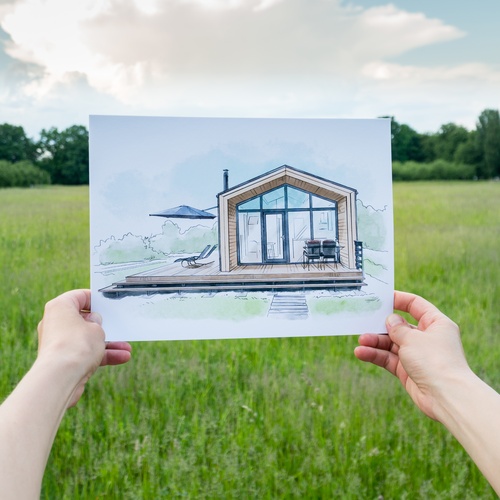
Owning a patch of land changes the way a future home starts to take shape. The excitement is real, but so is the shift from dreaming to making grounded choices. The first steps after buying land for a home should slow the rush just enough to protect the vision you worked hard to reach. A steady beginning keeps every later decision connected to the place itself.
Walk the Land With Fresh Eyes
Before thinking too deeply about floor plans, spend time noticing how the property behaves. A gentle slope might influence where the home sits, and low spots could affect drainage after heavy rain. Morning light and the view from the driveway both shape daily comfort. Walking the land at different times of day makes those details easier to trust before lines appear on a site plan.
Confirm What the Property Allows
Land ownership still comes with rules that shape what happens next. Zoning and permit requirements should be checked before spending money on design choices. A lot that looks simple on paper might need a septic review or driveway approval before building plans move forward. Clear answers early keep the project from drifting into expensive guesswork.
Plan Utilities and Access Early
A home needs more than a beautiful spot on the property. Power, water, septic, and driveway access each affect where the house should sit and how much site work will cost. Even a small shift in placement can change trenching distance. Sorting out these basics early makes the build less mysterious and gives later estimates a stronger foundation.
Decide What Kind of Home Fits the Plan
Once the property limits are clear, the home itself is easier to imagine. Some owners want a design built from the ground up, while others care more about a faster path to move-in day. Comparing custom home builds and manufactured homes makes sense when the land, timeline, and budget need to work together. The right choice should support the planned life of the property, not the initial burst of excitement.
Build a Budget Around the Whole Property
A land budget should stretch beyond the walls of the house. utility connections and drainage needs affect the final cost before construction begins. A builder or land consultant can bring vague estimates closer to numbers tied to the actual property. With that clarity, the dream stays exciting without turning financially blurry or forcing painful changes later.
Prepare Your Current Life for the Move
Buying land creates a natural moment to rethink what should come with you. Large furniture and forgotten garage items shape moving costs before the new home is ready. Thinking through the benefits of downsizing your life before a move helps connect your future home to the way you truly want to live there. Letting go of clutter now makes the next chapter lighter from the start.
Land is not just the place where a house will sit; it is the beginning of a different rhythm. Careful choices now make the build more personal and less rushed. The first steps after buying land for a home work best when excitement and patience go hand in hand. From there, the property has room to grow into a home that fits the life it’s waiting for.
Leave a Reply