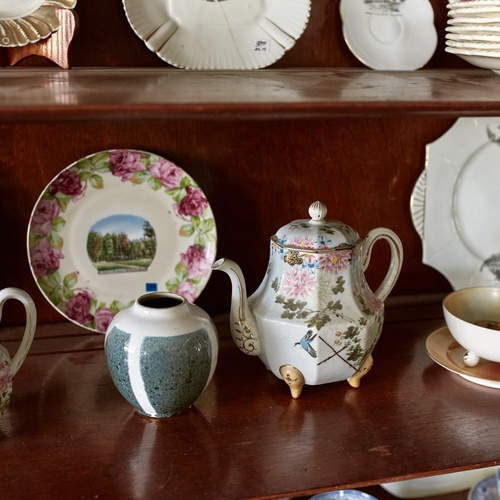
Maybe you have your grandmother’s teacups tucked away behind the everyday mugs. Perhaps an old photograph still sits in the envelope where it was placed years ago. Family heirlooms carry beautiful memories, but finding a place for them can feel surprisingly tricky. You want to enjoy those treasures without turning your home into a museum.
A thoughtful arrangement can give an ordinary shelf personality. The secret is choosing pieces you love and letting their stories become part of your home’s everyday charm. Explore these creative ways to display family heirlooms.
Start With the Story
Before rearranging a room, look through the keepsakes you already have. Which ones remind you of a favorite relative or a family tradition? A well-worn recipe book may hold more meaning than an expensive vase.
Choose a few pieces that evoke specific memories. If you don’t know an object’s history, ask relatives what they remember about it. You might discover that a simple serving platter appeared at every holiday dinner. That story can help you decide where the platter belongs in your home.
Create a Cabinet Display
A cabinet offers a lovely home for inherited dishes or small collectibles. It gives each piece a defined space and helps protect fragile items from accidental bumps.
As you choose between glass and solid-wood cabinet doors, consider how often you want to see the collection. Glass doors make your treasures part of the room’s decor, while solid wood keeps the overall look more subdued. You might even combine both styles if the cabinet design allows it. Add simple shelf lighting that produces little heat, and avoid crowding every inch with objects.
Style a Layered Bookshelf
Bookshelves don’t have to hold books alone. Place a small heirloom clock beside a few favorite novels, or pair an old family portrait with a ceramic bowl. The contrast gives treasured objects a place in your everyday surroundings.
Vary the height of items so the arrangement feels relaxed. Let one special piece stand out instead of surrounding it with too many decorations. Leave enough open space for the eye to rest.
Frame Family Textiles
An embroidered handkerchief or handmade lace can become beautiful wall decor. Textiles often hold memories of the person who made them, and framing lets you appreciate details that might disappear inside a storage box.
Use archival-quality materials and ask a framing professional about safe mounting methods for delicate fabric. Avoid glue or ordinary tape, which can harm fibers over time. Choose a spot away from direct sunlight to help preserve the colors. One small textile in a thoughtful frame can bring warmth to a hallway or bedroom.
Give Old Photos New Life
Family photographs deserve more than a dusty shoebox. Create a small gallery near the staircase or arrange a few portraits along a hallway console. Mixing different generations brings a wonderful sense of history to the space.
Consider displaying high-quality copies of fragile originals, especially in sunny rooms. Store the originals in suitable archival sleeves where they can stay safe. Add discreet labels with names and dates on the back of each frame. Future generations will appreciate knowing who’s smiling in those old photographs.
Let Dishware Decorate the Walls
That beautiful plate from your great-aunt doesn’t need to wait for a formal dinner. A few heirloom plates can create a charming arrangement above a sideboard or breakfast nook.
Choose a color palette that complements the room, then experiment with the arrangement on the floor before hanging anything. Use mounting hardware that suits each plate’s shape and weight. Avoid attaching adhesive directly to delicate finishes. You’ll turn a familiar object into a conversation piece without sacrificing its character.
Make Room for Everyday Memories
Not every heirloom needs protection behind glass. A sturdy wooden tray might hold mail near the entry, while a vintage pitcher could display dried flowers on a dining table. Using durable pieces can make family history feel wonderfully present.
Consider each object’s condition before giving it a new role. Avoid placing water inside a porous antique vessel, and don’t use old tableware for food unless you know its materials meet modern safety needs. Sometimes a decorative purpose offers the perfect compromise between daily enjoyment and thoughtful care.
Give Jewelry a Spotlight
Inherited jewelry can carry enormous sentimental value even when the pieces no longer match your personal style. A decorative shadow box offers a way to admire a brooch or pair of earrings without wearing them.
Use gentle, removable supports that won’t scratch metal or stress old fasteners. Keep especially delicate or valuable pieces away from bright light and humid rooms. If you’re unsure about a piece’s condition, consult a knowledgeable jeweler or conservator. The right display helps you appreciate the craftsmanship while protecting the memories attached to it.
Make Antique Furniture Shine
A family heirloom doesn’t have to be small. An inherited rocking chair or side table can become the most interesting piece in a modern room. You don’t need to surround it with matching antiques.
Give the furniture a clear purpose and let its distinctive finish provide contrast. A vintage desk might make a lovely writing corner, while an old chest could anchor a guest room. Before putting fragile furniture into regular use, check its joints and stability. Sometimes a carefully chosen location gives the piece new life without a complicated restoration.
Try a Personal Gallery Wall
A gallery wall lets you combine objects that wouldn’t naturally share a shelf. Hang a family photograph near a framed postcard from an ancestor’s hometown. Add an old handwritten recipe to connect the images with a familiar family tradition.
Keep the frames loosely coordinated through one shared finish or color. Arrange everything on the floor before putting holes in the wall. If the grouping feels busy, remove one or two items. You want a collection that invites people closer rather than overwhelms the room.
Rotate Your Favorite Pieces
You don’t need to display every inherited object at once. A seasonal rotation can help your home feel fresh while giving different treasures time in the spotlight.
Bring out a special serving bowl during the holidays, then exchange it for a framed summer photograph when the season changes. Keep stored pieces clean and protected according to their materials. Take a quick picture of each arrangement before you put it away. Rotating displays gives you a lovely reason to revisit memories throughout the year.
Share the Stories Behind Them
An heirloom becomes even more meaningful when someone knows why your family saved it. After all, passing down heirlooms can help build strong family connections, especially when younger relatives hear the stories behind ordinary objects.
Invite family members to tell you what they remember during a visit. Write a short note about the person who owned each piece, and store that note with the item or its records. Those details don’t need to appear on a public label. Their value comes from keeping the history alive for people who’ll treasure it next.
Let Your Home Tell the Story
Creative ways to display family heirlooms begin with the people behind the objects. A favorite photograph or a carefully placed piece of furniture can make a room feel more personal than any store-bought decoration.
Start with one treasure you’ve kept out of sight. Find it a place where you’ll enjoy seeing it, then share its story the next time family visits. The most meaningful displays don’t simply fill empty spaces. They help memories find a home.
Leave a Reply