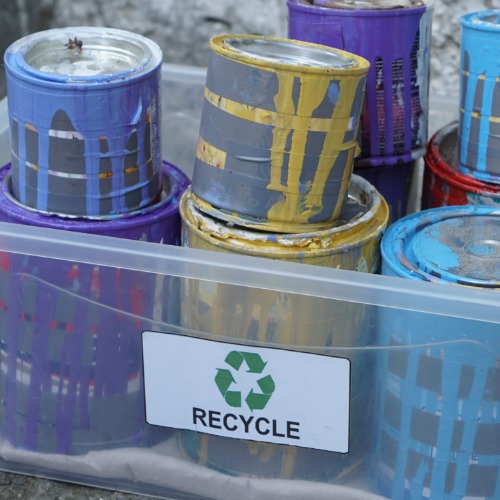
Most homes contain everyday products that require more care at the end of their useful lives than people may realize. Throwing certain materials into a regular garbage bin can create safety concerns, harm the environment, or prevent valuable materials from reaching appropriate recycling programs. Learning about common household items that should never go in the trash can help you make smarter decisions.
Batteries Require Special Handling
Batteries power countless devices throughout the home, from remote controls to cordless tools. However, many batteries contain materials that make conventional disposal inappropriate. Some types can also retain enough energy to generate heat or cause a fire after you remove them from a device.
Instead of placing unwanted batteries in your garbage, look for a battery collection program in your community. Electronics retailers and recycling facilities may accept certain varieties. Because requirements can vary according to battery chemistry, check the label and follow your local disposal guidelines before dropping them off.
Proper handling becomes especially important with rechargeable lithium-ion batteries found in phones, laptops, power tools, and other electronics. Avoid crushing or puncturing these batteries during storage. Keeping them protected until you reach an appropriate collection location reduces the chance of accidental damage.
Electronics Deserve a Second Destination
Old phones, computers, televisions, and similar electronics often contain reusable components alongside materials that require controlled processing. Tossing these products into household garbage wastes potentially recoverable resources and can introduce unwanted substances into the waste stream.
Electronics recycling programs offer a better solution. Many communities host designated collection events, while some manufacturers and retailers provide take-back services. Before recycling a computer or phone, remove your personal information by following the device manufacturer’s recommended reset or data-removal process.
You can also consider reuse before recycling. A functioning tablet or computer might still serve another household, school, or charitable organization. Extending the life of an electronic device delays disposal while allowing someone else to benefit from equipment you no longer need.
Paint Needs Thoughtful Disposal
Home improvement projects frequently leave behind partially filled paint cans. Although keeping a small amount for future touch-ups makes sense, homeowners eventually need to dispose of old colors they no longer plan to use.
Disposal methods depend on the type of paint and local regulations. Oil-based products commonly require household hazardous waste handling, while some areas have different rules for water-based paint. A community collection program can provide clear instructions about what it accepts.
Before deciding to dispose of usable paint, think about other ways to put it to work. Leftover colors can refresh a small piece of furniture or add personality to a decorative project. Thoughtful use can improve your home’s ambiance while reducing the amount of material that requires disposal.
Medications Should Stay Out of Household Garbage
Unused or expired medications deserve careful attention. Leaving them in a medicine cabinet creates clutter and may allow children, visitors, or pets to access products that could be harmful when used incorrectly.
Medication take-back programs provide a convenient disposal option in many communities. Pharmacies, public safety facilities, and organized collection events may offer secure drop-off locations. These programs help keep unwanted medications contained until professionals can manage them properly.
Always follow disposal instructions provided with the medication or by your local collection program. Avoid assuming every product follows the same rules. Proper handling allows you to clear outdated medications from your home without creating unnecessary risks.
Fluorescent Bulbs Need Careful Treatment
Traditional incandescent bulbs and fluorescent lighting products do not always follow the same disposal requirements. Compact fluorescent lamps and fluorescent tubes contain a small amount of mercury, which means they need careful handling when they burn out.
Some hardware stores and recycling facilities collect fluorescent bulbs for appropriate processing. Keep used bulbs intact while transporting them, and place them somewhere secure where they will not break. If a fluorescent bulb breaks, follow recommended cleanup guidance rather than handling the debris like ordinary broken glass.
LED bulbs may also qualify for specialized recycling because they contain electronic components and reusable materials. Checking local options before throwing away any bulb can help you choose the most responsible disposal method.
Hand Sanitizer Requires Safe Disposal
A forgotten bottle of sanitizer can sit in a cabinet long after its expiration date or usefulness. Because many formulas contain high concentrations of alcohol, they can remain flammable even when you no longer want to use them. For that reason, never toss hand sanitizer in the trash without first checking appropriate local disposal instructions.
Avoid pouring large amounts down a household drain unless your local waste authority specifically recommends that approach. Instead, contact a household hazardous waste facility or municipal disposal program to determine how it handles alcohol-based products.
Store unwanted sanitizer away from heat and flames until you can dispose of it. Keep the container closed, and avoid combining its contents with cleaners or other chemicals.
Household Chemicals Belong in Appropriate Programs
Garages and utility cabinets often accumulate leftover chemicals from years of household maintenance. Products such as pesticides, automotive fluids, and strong solvents may require hazardous waste collection instead of curbside garbage service.
Never combine leftover chemicals to reduce the number of containers you need to manage. Different substances can react with one another and create dangerous fumes or other hazards. Keep each product in its original container whenever possible so disposal workers can identify it correctly.
Reading the manufacturer’s disposal instructions can provide useful direction, but local regulations should guide your final decision. Community waste programs can explain where to bring products that standard trash services will not accept.
Propane Cylinders Can Remain Dangerous
Propane cylinders may appear empty after a grill, heater, or camping appliance stops working, but residual fuel or pressure can remain inside. That makes these containers unsuitable for ordinary household trash in many communities.
Check with propane suppliers, hazardous waste programs, or appropriate recycling facilities about accepted cylinders. Some services can safely process reusable tanks, while others handle smaller disposable containers. Do not puncture or alter a cylinder unless qualified local instructions specifically direct you to do so.
Store unwanted cylinders upright in a ventilated location away from ignition sources while waiting for disposal. Safe storage matters just as much as selecting the correct destination.
Make Responsible Disposal Part of Your Routine
Responsible disposal becomes easier when you build it into regular household maintenance. Rather than waiting until unwanted materials pile up, create a designated place for items that require recycling or special collection. Keep incompatible products separate and make sure children cannot reach potentially hazardous materials.
Before discarding an unfamiliar product, check its label and your local waste authority’s guidelines. A few minutes of research can prevent a potentially dangerous item from entering regular garbage. It can also connect recyclable materials with programs equipped to recover them.
Many unwanted household products have better destinations than a garbage truck. Understanding common household items that should never go in the trash helps you manage waste with greater care while protecting sanitation workers, recycling systems, and the spaces surrounding your community.
Leave a Reply