Many women in California are prescribed benzodiazepines for legitimate medical reasons. These medications can help manage anxiety, panic disorders, insomnia, muscle spasms, and certain seizure conditions. Drugs such as Xanax, Ativan, Klonopin, and Valium have improved countless lives when used as directed. The challenge is that these medications can also lead to physical dependence, even when someone follows a prescription exactly as instructed. For women balancing careers, caregiving, relationships, and countless daily responsibilities, the warning signs can be easy to overlook until stopping the medication suddenly feels impossible.
Understanding How Benzo Dependence Develops in Women
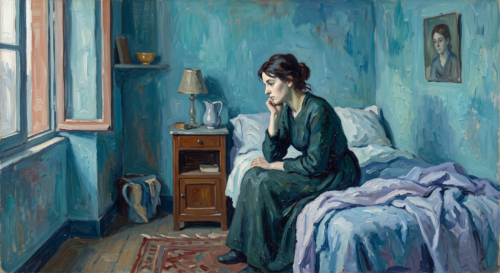
Many women first encounter benzodiazepines during stressful chapters of life. A difficult divorce, postpartum anxiety, overwhelming work pressure, caring for aging parents, or chronic insomnia can all lead to a prescription. What begins as short-term treatment sometimes stretches into months or years because the medication continues to provide relief.
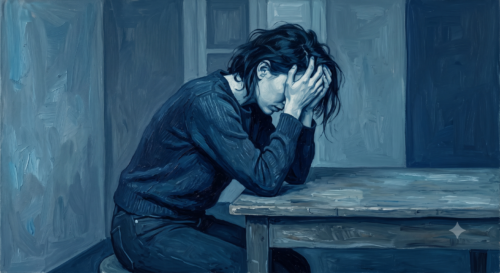
Physical dependence does not always mean someone misused the medication. The body can become accustomed to benzodiazepines over time, making it difficult to reduce or stop them without experiencing withdrawal symptoms. Those symptoms may include increased anxiety, irritability, sleep disruption, shaking, headaches, sweating, or difficulty concentrating.
Women in California have access to many treatment options, yet many delay getting help because they assume dependence only affects people who misuse drugs recreationally. That misconception keeps too many women from seeking answers. Fortunately, rehab for women often addresses prescription medication dependence alongside anxiety, trauma, and other concerns that may have contributed to long-term medication use in the first place.
Why Women May Delay Seeking Treatment
Women often carry enormous emotional and practical responsibilities. Many feel pressure to keep everything running smoothly, whether they are raising children, managing households, leading teams at work, or supporting extended family members. Those expectations can make it difficult to admit that a prescription medication has become a problem.
Another obstacle is fear. Some women worry they will lose access to medication that has helped them function. Others fear withdrawal after hearing how uncomfortable the process can be. Those concerns are understandable, but they should never prevent someone from speaking with a qualified medical professional.

California offers a broad network of addiction medicine specialists, behavioral health providers, and residential and outpatient treatment programs. Medical supervision is especially important because benzodiazepine withdrawal can become dangerous if someone attempts to stop suddenly without professional guidance. A carefully planned taper, combined with counseling and medical monitoring, often provides a much safer path forward.
Women also benefit from learning healthier ways to manage anxiety, stress, and sleep. Therapy, mindfulness techniques, regular exercise, and improved sleep habits cannot replace medication overnight, but they can become valuable long-term tools during recovery.
The Hidden Signs That Should Not Be Ignored
Prescription medication dependence often develops gradually. Instead of dramatic changes, many women notice subtle shifts in their routines or emotions. They may feel anxious between doses, need higher amounts to experience the same effect, or worry about running out of medication before the next refill.
Some women begin hiding addictions from family members, coworkers, or even their own physicians because they fear judgment or embarrassment. Others visit multiple providers hoping to obtain additional prescriptions without discussing their growing dependence. These behaviors usually reflect fear rather than dishonesty. They also signal that professional support may be needed.

California healthcare providers increasingly recognize that prescription medication dependence deserves compassionate treatment rather than criticism. Early intervention often leads to better outcomes because women can receive support before dependence creates greater disruption in their health, careers, or relationships.
Friends and loved ones should also pay attention to noticeable changes in mood, memory, coordination, or daily functioning. Encouraging someone to speak with a medical professional can make a meaningful difference, especially when the conversation remains supportive instead of confrontational.
Recovery Looks Different for Every Woman
There is no single recovery plan that fits everyone. Some women complete treatment through outpatient programs while continuing to work or care for their families. Others benefit from residential care where they can focus fully on stabilization and healing away from daily stress.
Treatment frequently includes medical supervision during medication tapering, individual counseling, group therapy, education about relapse prevention, and treatment for underlying mental health conditions. Addressing anxiety disorders, depression, trauma, or chronic stress alongside medication dependence helps create a stronger foundation for lasting recovery.

California’s large healthcare system also gives women access to specialized programs designed around their unique experiences. Some centers provide trauma-informed care, parenting support, family therapy, or services specifically created for women navigating pregnancy, menopause, or other life transitions. Those personalized approaches recognize that recovery involves far more than stopping a medication. It also means building confidence, improving emotional health, and developing sustainable coping skills.
Seeking help is not a sign of weakness. It reflects a willingness to protect long-term health and regain control over daily life.
Moving Forward With Confidence
Benzo dependence can affect women from every background, regardless of age, income, or profession. Recognizing the warning signs early creates more opportunities for safe treatment and long-term recovery. California continues expanding access to specialized care, making it easier than ever for women to find professional guidance that meets their individual needs. The first conversation with a healthcare provider may feel difficult, but it can also mark the beginning of a healthier future.
Leave a Reply