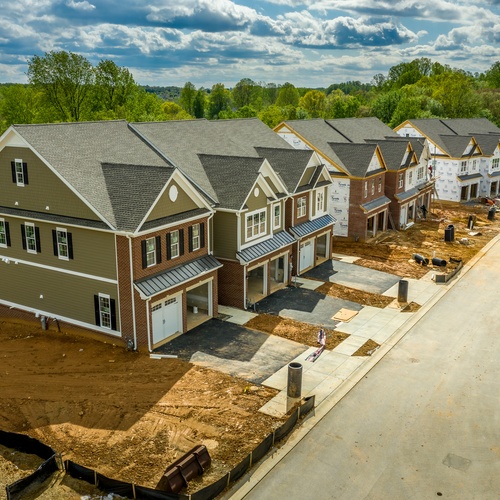
Buying a brand-new home feels exciting. Everything looks fresh, the systems are new, and you get to enjoy a space that no one else has lived in before. With all of that newness, it’s easy to assume the home comes with a clean bill of health.
Radon doesn’t work that way. A new home can still have elevated radon levels because a home’s age doesn’t determine where radon comes from. The ground beneath the home plays a much bigger role. If you’re buying or building new construction, a little radon awareness can help you feel more confident about the home you’re stepping into.
Why Radon Can Show Up in a New Home
Fresh concrete and modern finishes don’t automatically keep radon out. Even when a builder follows current construction practices, a home may still need radon mitigation. The surrounding soil, foundation design, pressure differences, and airflow inside the house all affect how radon moves.
This surprises many buyers because new construction often feels inherently safer. New materials can solve many old-house problems, but they don’t change the geology beneath the property.
New Homes Can Be Tightly Sealed
Modern builders often focus on energy efficiency. Tight construction can help control heating and cooling costs, but it can also change how air moves through a house.
When indoor air leaves through exhaust fans, vents, or normal air leakage, the home can create lower indoor pressure. That pressure difference can draw soil gases toward the foundation. If radon has a path inside, the gas may enter and accumulate.
You shouldn’t read that as a reason to avoid an energy-efficient home. It simply shows why you can’t judge radon risk by looking at a property’s age or appearance. Testing gives you information that visual inspections can’t provide.
Radon-Resistant Features Help
Many builders now use radon-resistant construction techniques, especially in areas where local codes or radon potential encourage these practices. Builders may add a gas-permeable layer under the slab and place plastic sheeting over the soil. They can also seal foundation openings and install a vent pipe that carries soil gas above the roof.
A passive system can reduce radon entry without using a fan. If testing later finds elevated levels, a qualified professional can often add a fan to the existing vent pipe and create an active system.
That setup gives homeowners a helpful head start, but it doesn’t replace testing. Even a home with radon-resistant features can still have elevated radon levels. The finished house has its own airflow patterns, which can affect how much radon enters the living space.
Testing Still Belongs on Your Checklist
When you walk through a new home, you may spend most of your time checking the cabinets, outlets, appliances, and finishes. Radon deserves a place on that checklist, too.
A radon test measures the gas levels inside the finished home. That information tells you far more about your individual property than a soil test or a general radon map. Soil conditions can vary from one lot to the next, so you can’t assume your home has low radon just because a nearby house tested well.
For buyers, preventive testing and inspections will create a safer home by identifying concerns before they turn into long-term surprises. If your builder completed a radon test, ask for the results and the date. If you don’t have a recent result, plan your own test after the home reaches normal living conditions.
A Basement Isn’t Required for Radon
Basements get a lot of attention in conversations about radon because they sit close to the soil. Still, homes without basements can experience elevated levels too.
Slab-on-grade homes and houses with crawl spaces still make contact with the ground. Radon can move through slab cracks, construction joints, plumbing openings, and other pathways near the foundation.
That’s why radon testing is necessary for homes with or without a basement. Your foundation type may change how radon enters, but it doesn’t remove the possibility. If your home sits over soil and rock, radon deserves consideration.
If your family plans to use a lower floor as a bedroom, office, playroom, or family space, test the level where people will spend time.
Building Codes Don’t Tell the Whole Story
Some buyers assume a new home passed inspection, so radon must already fall within a safe range. Building inspections and radon measurements serve different purposes.
Local codes may require radon-resistant features in some areas, while other communities may not require them. Even when a builder installs a passive radon system, you still need a test to learn the radon level inside the finished home.
Ask your builder what radon features the home includes. Find out where the vent pipe runs and whether the system uses a fan. You should also ask whether anyone has tested the house after construction. Keep any documentation with your home records.
High Results Don’t Ruin a New Home
Finding elevated radon in a new home can feel discouraging, especially when you expected fewer problems from new construction. Fortunately, a high result doesn’t mean you chose the wrong house.
Radon mitigation systems can reduce indoor radon by drawing soil gas from beneath the home and venting it outside before it enters your living space. New homes with passive radon components may already have much of the necessary setup in place.
If a test shows an elevated level, talk with a qualified radon professional about the next step. The professional can review the foundation and existing system alongside the test result before recommending an approach. After mitigation work, test again to see how the system performs.
Plan for Future Testing
Radon levels can change over time. Renovations, HVAC changes, foundation work, or a shift in how your family uses the home can affect indoor air movement. Weather and seasonal conditions can also influence readings.
Keep your first radon result as a baseline for the property. You can retest later, especially after major changes to the home or before you begin using a lower level more often.
If you install an active mitigation system, pay attention to the system monitor and follow the service recommendations from your radon professional. Routine attention can help you catch a problem if the system stops working properly.
Enjoy Your New Home With More Confidence
A new construction home gives you plenty to look forward to, but new doesn’t mean immune to radon. The gas comes from the ground, so any home can face a radon concern regardless of its age or foundation type.
The good news is that you can deal with radon in a straightforward way. Ask about radon-resistant features, test the finished home, and respond if the result shows a problem. Those steps give you useful information about the air your family breathes and help you settle into your new space with greater peace of mind.
Your home may be brand new, but smart homeownership still starts with knowing what you can’t see. A simple radon test can give you that knowledge and help you protect the comfort you worked hard to create.
Leave a Reply