A playground is one of the few places where kids can run free, parents can relax, and strangers can turn into friendly faces after just a few visits. Offering after-school stops, weekend family outings, and quick breaks between errands, playgrounds have a way of becoming parts of our everyday lives.
And just like our families grow and change, so do the spaces where our children play. Today’s playgrounds are being designed with more care, creativity, and intention than ever before, focusing on safety, inclusivity, and experiences that help kids thrive. Let’s take a look at some of the top trends in playground planning and layouts that are shaping modern play spaces.
Inclusive Spaces for Every Child
One of the most meaningful trends in playground planning today is the move toward inclusive play spaces where every child feels welcome, comfortable, and able to join the fun. Modern playgrounds are being designed with accessibility in mind from the very beginning, not as an afterthought. That means wider walkways for wheelchairs and strollers, ramps instead of ladders, and equipment that supports children with different physical needs.
But inclusion goes beyond mobility. Many newer playground layouts also include sensory-friendly elements such as textured panels, musical features, quiet corners, and calming spaces for kids who may feel overwhelmed by noise or crowds.
Nature-Inspired Layouts
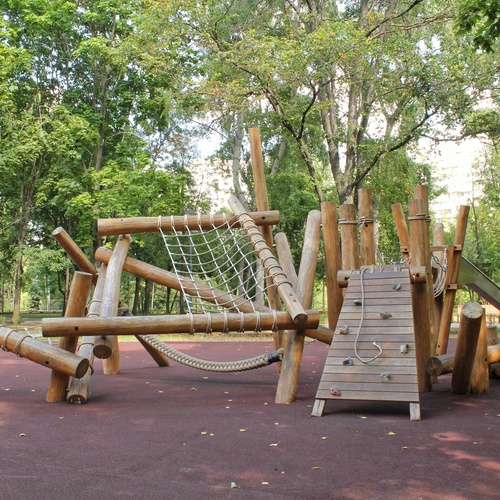
Many new play spaces are being created to blend beautifully into the outdoors. Think wooden elements, climbing rocks, garden-style pathways, and play features that look like trees, animals, or natural landscapes. These layouts invite kids to explore in a way that feels more open-ended and imaginative.
Nature-based playgrounds also encourage a different kind of play. Children can discover hidden corners, interact with natural textures, and use their creativity to invent games. This kind of play feels calmer, more mindful, and more deeply engaging.
Zones for Different Ages
Another major trend in playground planning is creating spaces with distinct zones for different age groups and types of play. Toddlers don’t need the same challenges as big kids, and older children often want more adventurous climbing or faster slides. Areas with softer, enclosed structures may work better for younger children, while more traditional equipment is ideal for bigger kids who can climb, swing, and take bigger risks.
A playground that blends these soft structures with traditional equipment is safer and more enjoyable for everyone. The goal is to create a space where each child can confidently explore an area that matches their stage of development and where parents feel more at ease while watching them play. When playgrounds are planned with age-appropriate zones in mind, they become places where every child can thrive safely.
The top trends in playground planning and layouts all have one thing in common: they focus on connection, safety, and making childhood joyful. Whether you’re dreaming up a new play space for your school, business, or community park, these ideas can create a place where families can gather and kids can thrive. Because at the end of the day, the best playgrounds build more than muscles—they build memories.
Leave a Reply