There is a quiet recalibration happening in women’s health, and it is not driven by trends or tidy slogans. It is being shaped by women who are paying closer attention to how they feel in their bodies, in their routines, and in their emotional lives, often after years of ignoring those signals because life was loud and demanding. This shift is less about perfection and more about discernment, choosing what supports energy, steadiness, and a sense of ease, even when the answers are not obvious or neatly packaged. Health, for many women, has become less about fixing something and more about listening, adjusting, and allowing room for change.
When Care Moves From Obligation to Intuition
For a long time, care was framed as another responsibility, something to squeeze in after everyone else’s needs were met. That mindset is cracking. Women are increasingly rejecting rigid wellness rules in favor of practices that feel intuitive and sustaining. This might look like simplifying routines, saying no to what drains them, or letting go of the idea that health must always be visible or performative. Even the way women think about body care has softened, moving away from punishment and toward comfort, touch, and familiarity. A warm shower at night, a favorite lotion used without rushing, or a few minutes of quiet stretching can feel like an act of reclamation rather than another task on a list.
Conversations We Are Finally Allowing Ourselves to Have
There is also a growing openness around topics that were once whispered about or handled alone. Stress, burnout, and complicated relationships with substances are being discussed with more honesty and less shame. Women are recognizing that seeking support is not a failure of willpower or character, it is a practical response to real pressures. For some, that support might mean therapy or community groups. For others, it may involve stepping away from patterns that no longer serve them and exploring structured help, including alcohol rehab in Austin, near it or as far away as New York, depending on what feels safest and most supportive. The point is not the location or the label, but the agency involved in making a choice that prioritizes long term well being.
Health as a Moving Target, Not a Final Destination
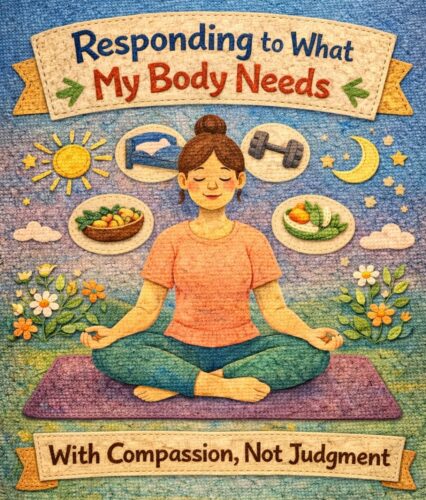
One of the most liberating ideas gaining traction is that health is not something you arrive at and then maintain flawlessly. It shifts with age, hormones, seasons, and circumstances. Women are learning to expect those changes rather than resist them. Energy levels fluctuate. Sleep patterns evolve. Emotional resilience grows in some areas while feeling thinner in others. Instead of chasing a fixed ideal, many are choosing to respond to what is actually happening in their lives right now. That responsiveness can feel grounding, especially in a culture that often pushes women to override their own signals in favor of productivity or appearance.
The Role of Boundaries in Feeling Well
Boundaries are increasingly recognized as a health practice, not a personality trait. Protecting time, emotional space, and mental bandwidth has tangible effects on the body. Chronic stress shows up as tension, digestive issues, disrupted sleep, and a general sense of being on edge. When women begin to set clearer limits, whether with work, family, or social obligations, the physical benefits can be noticeable. This is not about withdrawal or isolation. It is about discernment, understanding where energy is replenished and where it quietly leaks away. That awareness often becomes sharper with age and experience, and many women describe it as one of the most unexpected gifts of growing older.
Reframing Strength in the Context of Women’s Health
Strength has long been associated with endurance, pushing through discomfort, and holding everything together without complaint. That definition is being rewritten. Strength can also mean rest, softness, and asking for help before reaching a breaking point. It can look like choosing a slower pace or redefining success on more humane terms. In women’s health, this reframing allows space for vulnerability without self judgment. It acknowledges that bodies and minds carry history, stress, and joy all at once, and that caring for them requires flexibility rather than force.
Choosing Care That Feels Like Home
The most compelling shift in women’s health right now is the move toward care that feels familiar, supportive, and deeply personal. It is less about chasing an ideal and more about building a relationship with oneself that can adapt over time. When health practices feel like they belong in your life rather than interrupt it, they become sustainable. That sense of belonging, to your body, your choices, and your pace, may be the most meaningful marker of well being there is.
Leave a Reply