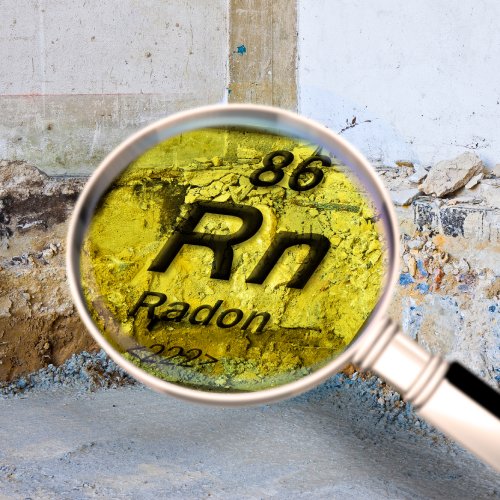
Radon is an invisible, odorless gas that can seep into your home, posing a significant health risk over time. If you work from home or run a home-based business, you likely spend more hours inside than the average person, increasing your potential exposure. Understanding when and how often to test for radon is a critical step toward maintaining a healthy indoor environment for you and your family.
Impact on Your Business
For those who run a business from home, the risks associated with radon exposure can be exponential due to the increased amount of time spent indoors. Whether you operate a home office, a craft studio, or another type of business, the extended hours in your workspace can lead to prolonged exposure to elevated radon levels. This exposure can raise the probability of developing health issues, such as lung cancer, over time.
Additionally, poor air quality caused by radon may negatively impact productivity and overall well-being, which can have long-term effects on your bottom line. Identifying and mitigating radon risks is important to ensure both personal health and the long-term sustainability of their business environment.
When Should You First Test for Radon?
Every home should have an initial radon test when you first move in. The Environmental Protection Agency (EPA) recommends this for all houses, regardless of their age or location. You should perform this first test as soon as possible, especially if you have never tested before. This initial screening provides a baseline reading of the radon concentration inside your home, giving you crucial information about your immediate risk level.
How Often Should You Retest for Radon?
After the initial test, the EPA suggests retesting your home every two years. Regular retesting is important because radon levels can fluctuate. For instance, seasonal changes can affect radon levels, with concentrations often rising during the winter when you have your home sealed more tightly.
Consistent testing helps you track these variations and gives you peace of mind. Regular checks ensure your home is safe from radon year-round and your business can operate efficiently.
When To Test More Frequently
Certain events should prompt you to test for radon outside of the regular two-year cycle. You should test again after any major home renovations, particularly those that alter your home’s foundation or ventilation, such as finishing a basement. Also, if you make significant changes to your heating or cooling systems, a new test is a wise precaution.
Additionally, if a neighbor finds high radon levels in their home, it’s a good idea to retest yours, as local geology can lead to similar issues in nearby properties.
Protecting Your Home and Business
Knowing your home’s radon levels is an essential part of responsible homeownership, especially when your home is also your workplace. Regular testing empowers you to take action if needed, such as installing a radon mitigation system to reduce high concentrations. By staying proactive with a consistent testing schedule, you create a safer environment for your family and your business.
Leave a Reply