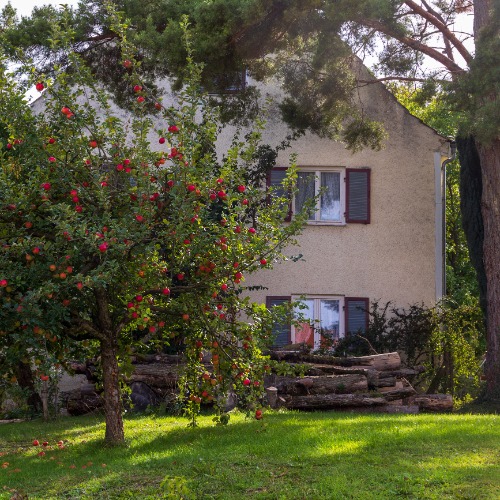
A backyard fruit tree can turn an ordinary outdoor space into a source of fresh peaches, apples, pears, or other homegrown favorites. The prospect of fresh fruit just steps from your kitchen is exciting, but a successful harvest starts well before you put a tree in the ground. This guide covers things to know before planting fruit trees in your backyard, from site selection to long-term care. Explore our walkthrough before you purchase your first tree, and give your future orchard a strong start.
Choose Fruit Suitable for Your Climate
Not every fruit tree thrives in the same environment. Some varieties tolerate harsh winters, but others prefer mild temperatures and extended warm seasons. Your local climate should guide your selection rather than the appeal of a particular fruit alone.
For example, peach trees generally favor areas with plenty of summer warmth, but individual varieties have different winter requirements. Apple trees also vary considerably, with some varieties suited to colder regions and others adapted to milder winters. Learning how to choose apple trees for warmer climates will help you find the right match for your yard. Research the climate preferences of each variety before you commit to a purchase.
Winter Chill Requirements
Many deciduous fruit trees need a certain amount of winter chill before they can produce a healthy crop. These requirements vary by fruit type and individual variety. A tree with inadequate winter chill may produce fewer blossoms, develop unevenly, or yield disappointing harvests.
Homeowners in warmer regions should look for low-chill varieties that suit their local conditions. Those in colder areas should prioritize trees with adequate winter hardiness. Your local agricultural extension office can provide useful guidance about varieties suited to your region.
Find the Right Location in Your Backyard
Fruit trees need more than an empty patch of lawn. The location you select influences sunlight exposure, root development, moisture levels, and eventual harvest quality. Most fruit trees prefer at least six to eight hours of direct sunlight daily. A location with consistent sun exposure supports healthy foliage, flower production, and fruit development. Shaded areas near tall structures or mature trees may limit the amount of fruit your tree produces.
Pay attention to air circulation as well. Areas with poor airflow can create favorable conditions for certain fungal diseases, particularly during humid weather. Avoid cramped corners where branches have little room to spread.
Understand How Much Space Your Trees Need
A young fruit tree may look modest when it arrives, but its mature dimensions can be surprisingly large. That small apple tree could eventually occupy a considerable portion of your yard, depending on its rootstock and growth characteristics. Planning for its eventual size can prevent overcrowding and unnecessary maintenance.
Consider the mature height and canopy width before you choose a permanent location. Trees planted too close together may compete for sunlight, nutrients, and water. Crowded branches also complicate pruning and fruit collection.
Plan Around Existing Structures
Keep adequate distance between fruit trees and fences, sheds, patios, and nearby structures. You should also account for overhead utility lines and underground services before excavation. A tree with generous space has more freedom to develop a balanced canopy.
For smaller properties, dwarf or semi-dwarf varieties may provide a practical alternative to standard-sized trees. Their compact dimensions can simplify routine care and harvests. Remember that mature size depends on rootstock, variety, and local conditions.
Test Your Soil Before You Plant
Healthy soil gives fruit trees a foundation for strong roots and dependable growth. Unfortunately, backyard soil isn’t always ideal for fruit production. Compacted ground, poor drainage, and unsuitable pH levels can interfere with nutrient availability and root health.
A soil test can reveal the pH and nutrient conditions in your proposed orchard area. Most common fruit trees prefer slightly acidic to near-neutral soil, although individual species have different preferences. Use the results to determine if your soil needs amendments.
Check Drainage Before You Commit
Fruit trees generally struggle in soil that remains saturated for extended periods. Excess moisture reduces oxygen availability around the roots and increases the risk of root diseases. Even a sunny location can prove unsuitable if water collects around the roots after every storm.
After substantial rainfall, inspect your proposed site for puddles or persistently wet patches. You can also dig a test hole, fill it with water, and observe how readily the water drains. If drainage is poor, consider a more suitable location or an appropriately prepared raised mound.
Learn About Pollination Requirements
Some fruit trees can produce crops with their own pollen, but others need pollen from a compatible variety. This distinction can influence how many trees you purchase and where you place them. Understanding your tree’s pollination needs beforehand can help you avoid disappointing harvests later.
Many apple varieties require cross-pollination from another compatible apple variety with an overlapping bloom period. Certain pear and sweet cherry varieties have similar needs. By contrast, many peach varieties are self-fertile and can produce fruit without another peach tree nearby.
Research the pollination characteristics of your chosen variety before purchase. A compatible tree within reach of pollinators may support fruit production, but compatibility and bloom overlap matter more than proximity alone. Bees and other pollinating insects also contribute to successful fruit development.
Select the Best Season for Planting
The ideal planting season depends on your local climate and the type of tree you purchase. Bare-root fruit trees are generally planted during dormancy, before new spring growth begins. Container-grown trees offer greater flexibility, provided the weather and soil conditions are suitable.
In colder climates, early spring can provide favorable conditions for establishment before summer heat arrives. In milder regions, fall may also be suitable because cooler weather reduces moisture stress. Both seasons can give young roots time to develop before periods of extreme temperatures.
Avoid planting during extreme heat, severe freezes, or periods of saturated soil. Choose a time when you can provide consistent care throughout the first several months. Favorable weather and attentive early care can help your new tree adjust to its permanent location. Since fruit trees can grow to massive heights over the years, it’s important to learn how to protect your home from tree branches in storms, too.
Be Patient With Your First Harvest
A fruit tree rarely produces its full potential immediately after installation. Some varieties may bear fruit within a few years, but others require considerably more time. Rootstock, tree age, climate, and care all influence the wait.
Young trees may also benefit from the removal of early fruit so they can devote more resources to root and branch development. Follow species-specific recommendations rather than expect a substantial crop during the first season. Giving a young tree time to establish itself can support its productivity as it matures.
As the tree develops, proper care can support larger and more consistent harvests. The reward is fresh fruit from a tree you’ve nurtured in your own backyard. Each productive season offers another opportunity to enjoy the results of your patience and care.
Knowing these things before planting fruit trees in your backyard gives you a practical foundation for a productive home orchard. Even a modest backyard can accommodate a rewarding fruit harvest with the right preparation. Start with one or two varieties that suit your property and expand as you gain experience.
Leave a Reply