Strong relationships with family and friends rely on open communication. It’s the thread that connects us, letting us share joys, navigate challenges, and feel understood. While we talk to people every day, truly communicating is a skill that takes practice and intention. It’s more than just exchanging information; it’s about building a connection where both people feel seen and heard. By focusing on a few key areas, we can turn our daily conversations into more meaningful interactions and strengthen the bonds with those who matter most.
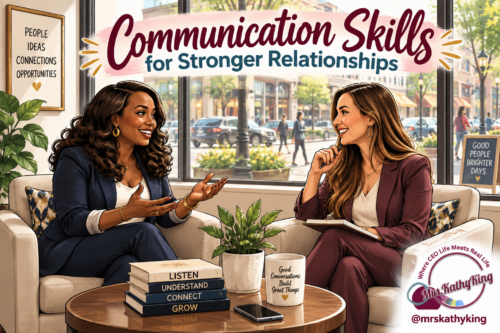
Elements of Effective Dialogue
A great conversation is a two-way street, not a monologue. For dialogue to really work, it needs a balance of clear self-expression and attentive listening. This means you can share your thoughts and feelings honestly and respectfully, without blame or accusation. At the same time, it involves creating a safe space for the other person to do the same. This balance is central to building interpersonal skills.
But sometimes, things get in the way of this exchange. These barriers can be emotional, like stress or defensiveness, or even physical. For example, challenges related to hearing loss and social isolation can make it hard for someone to fully participate in conversations, leading to misunderstandings and withdrawal. Recognizing these potential obstacles is the first step toward overcoming them and creating a more inclusive, supportive environment for everyone involved in the conversation.
Listening with Intention
We often listen just to prepare our reply, waiting for our turn to speak. Listening with intention is different. It means focusing completely on what the other person is saying, both their words and their body language, to truly grasp their perspective. This practice involves setting aside your own internal thoughts and judgments to really absorb their message. It shows respect and makes the speaker feel valued.
You can practice this by:
- Paraphrasing: Briefly repeat what you heard in your own words. For example, “So, it sounds like you’re feeling overwhelmed by the project deadline.” This confirms your understanding and gives them a chance to clarify.
- Asking open-ended questions: Instead of questions that can be answered with a “yes” or “no,” ask things like, “How did that make you feel?” or “What are your thoughts on that?”
Communicating with intention turns listening from a passive activity into an active gesture of connection and empathy.
Non-Verbal Cues and Connection
So much of what we communicate doesn’t come from our words. Our body language, facial expressions, and tone of voice often speak louder than what we actually say. These non-verbal cues can either reinforce our message or completely contradict it, leading to confusion and mistrust. For instance, saying “I’m fine” with a flat tone and crossed arms sends a very different message than saying it with a relaxed posture and a smile.
To build stronger connections, pay attention to your own non-verbal signals. Are you making eye contact to show you’re engaged? Is your posture open and inviting? Also, notice the other person’s cues. A furrowed brow or a shift in posture might signal confusion or discomfort, giving you a chance to pause and check in. When your words and body language align, it creates a sense of authenticity and trust.
When Communication Breaks Down
Even with the best intentions, misunderstandings and conflicts are a natural part of any relationship. The goal isn’t to avoid disagreements entirely but to learn how to handle them constructively when they pop up. When emotions run high, it’s easy to fall into patterns of blame, criticism, or shutting down. This is when communication often breaks down completely.
If a conversation starts to get heated, one of the best things you can do is suggest taking a short break. This lets both people cool down and approach the topic again with a clearer mind. When you resume the conversation, try to use “I” statements to express your feelings without blaming the other person. For instance, saying “I felt hurt when the decision was made without me” is much more effective than “You always leave me out.” This approach focuses on solving the problem together rather than attacking each other.
Practice for Better Connections
Improving your communication skills is an ongoing process, not a one-time fix. The good news is that every conversation is a chance to practice. Start with small, manageable steps. Make a conscious effort to put your phone away when someone is talking to you, giving them your full attention. Set aside a few minutes each day to genuinely check in with a family member or friend, asking them about their day and truly listening to the answer. For families, these pillars of great parenting also highlight how being present and encouraging open dialogue can strengthen communication and relationships.
Another simple yet powerful practice is to express appreciation regularly. A simple “Thank you for listening” or “I appreciate you sharing that with me” can go a long way in making someone feel valued. These small, consistent efforts build up over time, creating a strong foundation of trust and mutual respect that can weather any storm.
Good communication is the heart of any healthy relationship. By being more mindful in how we speak, listen, and connect, we can deepen our bonds and create more supportive and fulfilling connections with the people we care about most.
Leave a Reply