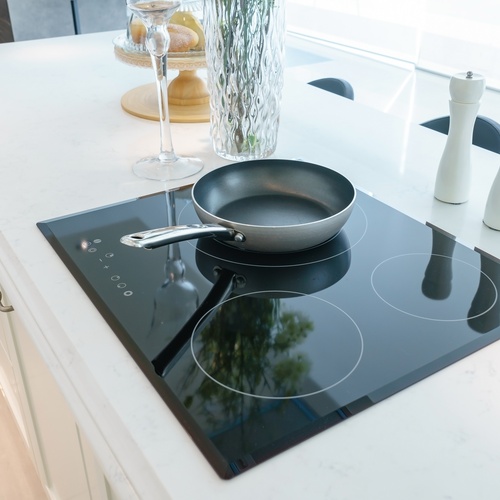
A cooktop is one of those hardworking parts of the kitchen that can quietly become part of the background. You make breakfast before school, put together dinner after a busy workday, and prepare meals for family gatherings without giving much thought to the appliance beneath the pots and pans. As long as it turns on, replacing it may not seem urgent.
But an aging cooktop can make everyday cooking more frustrating long before it stops working altogether. Uneven temperatures, damaged surfaces, unreliable controls, and changing household needs are all signs that your kitchen needs a new cooktop. Recognizing these red flags early gives you time to compare options, understand installation requirements, and make a thoughtful decision rather than shopping under pressure after a complete failure.
1. Uneven Heating
A burner that no longer heats consistently can turn a simple dinner into a guessing game. One section of a pan may become much hotter than another, or a burner may cycle between temperatures even when you leave the setting alone. You may compensate by moving pans around, adjusting heat frequently, or changing which burner you use.
A single malfunctioning element does not automatically mean you need a completely new appliance. However, recurring heating problems across several burners can suggest that the cooktop is at the end of its utility. If everyday meals require extra attention simply to maintain a steady temperature, it may be time to compare the cost of repair with the benefits of replacement.
2. Unreliable Controls
Cooktop controls should respond predictably. When knobs become loose, touch controls stop registering commands, indicator lights behave inconsistently, or burners fail to respond to adjustments, cooking becomes harder than it needs to be.
Control problems can also create uncertainty about whether a burner is completely off. Instead of accepting unreliable operation as part of an older appliance, have an appliance professional evaluate recurring electrical or control issues. Depending on the cooktop’s age, condition, and repair cost, replacement may provide a more practical long-term solution.
3. Significant Surface Damage
Another sign that your kitchen needs a new cooktop is that its surface looks like a historical log documenting years of scratches, stains, cosmetic wear, and minor imperfections from cooking. Cracks, broken components, deep chips, or damage around the burners also deserve attention.
A damaged glass or ceramic surface can interfere with safe use, while deteriorating parts around gas burners may make cleaning and maintenance more difficult. If damage keeps spreading or replacement components become difficult to find, a new cooktop can restore both function and the finished appearance of the kitchen.
4. Frequent Repairs
Every appliance may need an occasional service call, but repeated repairs can change the financial picture. Paying for a new element one year, a control component the next, and another service visit soon afterward can gradually approach the cost of purchasing a newer model.
Keep track of what you have spent instead of viewing each repair in isolation. Consider the appliance’s age, the availability of replacement parts, and whether other components show wear. When multiple problems start appearing close together, replacement can become the more sensible use of the household budget.
5. Changing Cooking Needs
Sometimes the cooktop still works, but it no longer works well for your family. Maybe you bought your home with an appliance that never fit the way you cook. Perhaps your family has grown, you entertain more regularly, or working from home means the kitchen gets considerably more use throughout the day.
Changes in cooking habits can make different features more appealing. A larger cooking surface may help when several people prepare meals together, while a different burner arrangement can improve how comfortably large pots and pans fit.
6. Difficult to Clean
A cooktop should require maintenance, but cleaning should not feel like a restoration project after every meal. Aging surfaces may develop permanent discoloration, worn finishes, damaged burner components, or seams that become difficult to keep clean.
When deterioration makes routine care increasingly frustrating, compare newer designs with your current setup. A surface that better matches your cooking style and cleaning preferences may save time during an already busy week.
7. You’re Already Updating the Kitchen
A larger kitchen project creates a natural opportunity to reconsider the cooktop. New counters, cabinets, electrical work, or layout changes can affect which appliance sizes and configurations will fit the finished space.
Planning appliance choices before construction moves too far can prevent a common mistake many homeowners make when renovating the kitchen: choosing appliances too late. Choosing the cooktop early allows its dimensions, clearances, utilities, and placement to become part of the overall renovation plan rather than an afterthought.
8. Your New Cooktop Does Not Match the Existing Opening
Buying a replacement cooktop involves more than checking whether the box says 30 inches or 36 inches. The appliance’s overall dimensions and the opening it requires in the countertop may differ, and two models in the same general size category can require different cutout dimensions.
That difference matters when you want to keep existing countertops. Stone, quartz, solid-surface materials, and other finished counters require careful modification if the opening needs to become larger or change shape. This is why finding the right countertop cutting services to fit a new cooktop is crucial when updating your kitchen.
9. Your Cooktop No Longer Fits the Way You Use Energy at Home
Homeowners increasingly think about how individual appliances fit into broader household energy choices. If you are already making efficiency improvements, investing in electrification, solar power, or sustainable living, an aging cooktop may become part of that conversation.
That does not mean every household needs the same technology. Gas, traditional electric, and induction cooktops each come with different installation requirements, cooking characteristics, and costs. The useful approach is to consider how your next appliance fits your home’s existing utilities, future plans, cooking preferences, and overall renovation budget.
10. You Avoid Using Certain Burners
One of the clearest clues may come from your own habits. If everyone in the family knows not to use the back-left burner because it takes forever to heat, you have already adapted your routine around an appliance problem.
Small workarounds can become surprisingly normal over time. Take a fresh look at the cooktop and ask whether all its features work as intended. If several parts have become unreliable, inconvenient, or unusable, those patterns deserve consideration, even if the appliance technically still turns on.
Plan the Replacement Before the Cooktop Quits
Replacing a cooktop does not have to begin with a dead appliance and a rushed trip to the store. Paying attention to performance, physical condition, repair history, cleaning challenges, and the way your family uses the kitchen gives you more control over the timing.
Before purchasing anything, measure carefully, review the manufacturer’s installation specifications, confirm electrical or gas requirements, and determine whether the existing countertop opening will accommodate the model you want. A little planning can turn an inconvenient appliance problem into a kitchen update that feels thought, useful, and suitable to everyday family life.
Leave a Reply