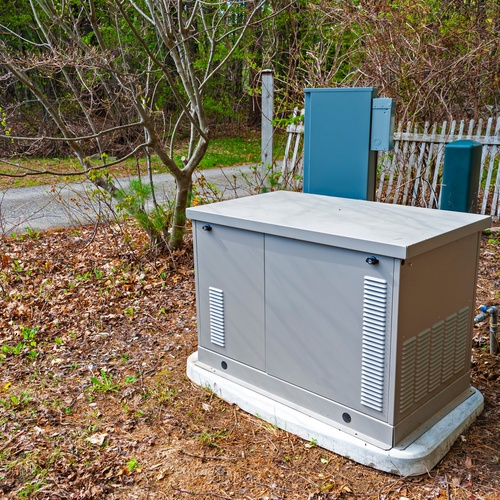
A standby generator can bring a welcome sense of security to a home. When the neighborhood goes dark during a storm or grid outage, having backup power can help keep essential appliances running and make an already stressful situation much easier for the family.
That peace of mind depends on the generator being ready when you need it. Like an air conditioner, water heater, or any other major piece of home equipment, a standby generator needs regular attention. Keep reading to understand how to best take care of your home’s standby generator.
Get Familiar With Your Generator
One of the best things you can do after installing or moving into a home with a standby generator is to learn how your particular system works. Find the owner’s manual, identify the model, locate the control panel, and understand what its indicator lights or messages mean. Manufacturers may recommend different maintenance intervals, fluids, filters, and testing procedures, so your manual should guide the specifics.
It also helps to know which parts of your home receive backup power. Some generators support only certain circuits, while others can power much more of the house. Understanding what your system covers makes it easier to plan for an outage without expecting the generator to handle more than it can.
Keep the Area Around the Generator Clear
A standby generator needs adequate airflow while it runs. Leaves, weeds, grass clippings, snow, stored items, and other debris can crowd the unit and interfere with ventilation. Make a habit of checking the area as you handle regular yard work, especially after heavy wind or storms.
Avoid using the space around the generator as outdoor storage. Children’s toys, garden supplies, patio items, and landscaping materials can gradually make their way toward the unit. Keeping a clean perimeter also makes it easier to spot physical damage, leaks, or unusual debris before the next power interruption.
Pay Attention to the Battery
If you want to best take care of your home’s standby generator, you can’t overlook the importance of the battery. The battery performs a simple but critical job: it gives the generator the power it needs to start. A generator can have fuel available and still fail to turn on if its starting battery has become weak, discharged, or damaged.
Age, temperature extremes, corrosion, loose connections, and charging problems can affect battery performance. Homeowners who want to understand what those warning signs look like can consult this generator battery maintenance and replacement guide, which explains battery care, testing, common trouble signs, and replacement considerations in more detail.
Watch for Changes in Starting Behavior
Your generator’s normal sound and behavior can tell you quite a bit. If the engine suddenly cranks more slowly, hesitates before starting, or fails during a scheduled test, do not ignore the change. Slow cranking can indicate a battery that needs attention.
You can also visually check accessible battery areas for corrosion without dismantling the system. White, green, or blue buildup around battery terminals can interfere with electrical connections. If something looks wrong, arrange for qualified service rather than experimenting with electrical components you cannot handle.
Let the Generator Complete Its Exercise Cycle
Many standby generators automatically run an exercise cycle at scheduled intervals. That short run gives the system a chance to operate even when your home has not experienced an outage. Scheduled exercise also gives you an opportunity to notice whether the unit starts and runs as expected.
Pay attention when that familiar test day comes around. If the generator normally runs at a certain time and suddenly does not, check the control panel for an alert. Do not assume that silence means everything is fine. A missed exercise cycle can give you a useful warning that the system needs attention before severe weather arrives.
Follow the Recommended Service Schedule
An automatic standby generator still contains mechanical components that experience wear. Depending on the model, routine service may include inspecting or replacing oil, filters, spark plugs, batteries, and other components. Follow your manufacturer’s recommendations rather than relying on a one-size-fits-all calendar.
Keep a simple record of service dates somewhere convenient. A note with your household maintenance paperwork or a digital reminder can keep generator care from disappearing behind all the other responsibilities that come with owning a home. This becomes especially helpful when several years pass between major repairs or component replacements.
Look For Leaks, Damage, and Warning Messages
You do not need to open the generator cabinet and start taking things apart to catch basic trouble signs. Give the exterior a visual check from time to time. Look for obvious damage, fluid beneath the unit, pest activity, unusual corrosion, or anything that appears different from the last inspection.
The control panel deserves attention, too. If you see a warning light, error message, or maintenance reminder, consult the manual instead of clearing the notification and forgetting about it. The message may indicate something minor, but identifying the cause gives you much more confidence than discovering a problem after the electricity has already gone out.
Think About Generator Care Before Storm Season
Generator maintenance works best as part of a larger household preparedness routine. Waiting until a hurricane, thunderstorm, wildfire-related outage, or winter storm appears in the forecast leaves little room for repairs if you discover a problem.
Before the season that brings the greatest outage risk in your area, schedule any needed professional service and confirm that the generator completes its normal test cycle. Mrs. Kathy King’s guide to preparing your family for severe weather covers practical preparation steps such as emergency supplies, family planning, and staying informed when dangerous weather approaches.
Keep Backup Power in Perspective
A standby generator can make an outage more manageable, but it should support your emergency plan rather than replace it. Families still need flashlights, charged devices, emergency supplies, important contact information, and a plan for following evacuation or safety instructions when conditions become dangerous.
Know When To Call a Professional
There is a useful line between homeowner awareness and generator repair. Homeowners can keep the surrounding area clean, monitor alerts, notice changes in operation, keep maintenance records, and make sure scheduled exercise cycles occur. Electrical diagnosis, internal repairs, battery replacement when special procedures apply, and fuel-system concerns belong with qualified professionals.
Make Generator Care Part of Homeownership
Taking care of a standby generator is much easier when it becomes another normal part of caring for the house. You check smoke detectors, change HVAC filters, clean gutters, and keep an eye on plumbing because those small routines protect the home from larger problems. Your generator deserves the same kind of attention.
Consistent generator maintenance gives you the best chance of having dependable backup power when your family needs it. Keep the unit clear, watch its battery and control panel, pay attention to its exercise cycles, follow the manufacturer’s service schedule, and address warning signs promptly. A little care between outages can make a big difference when the lights finally go out.
Leave a Reply